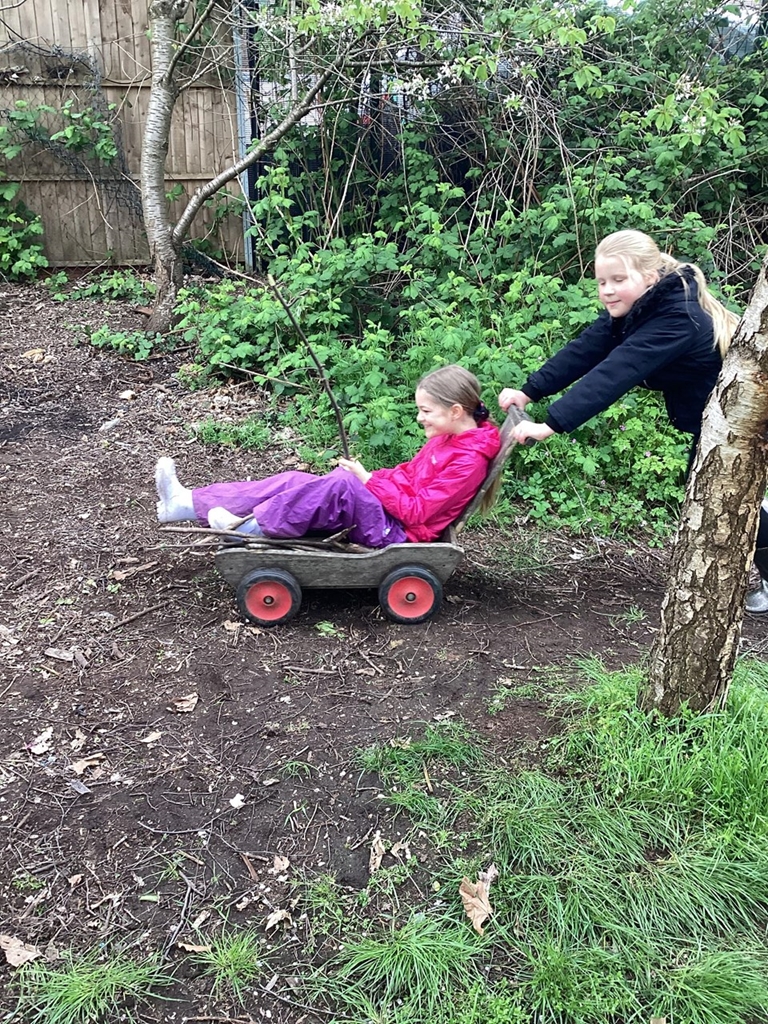
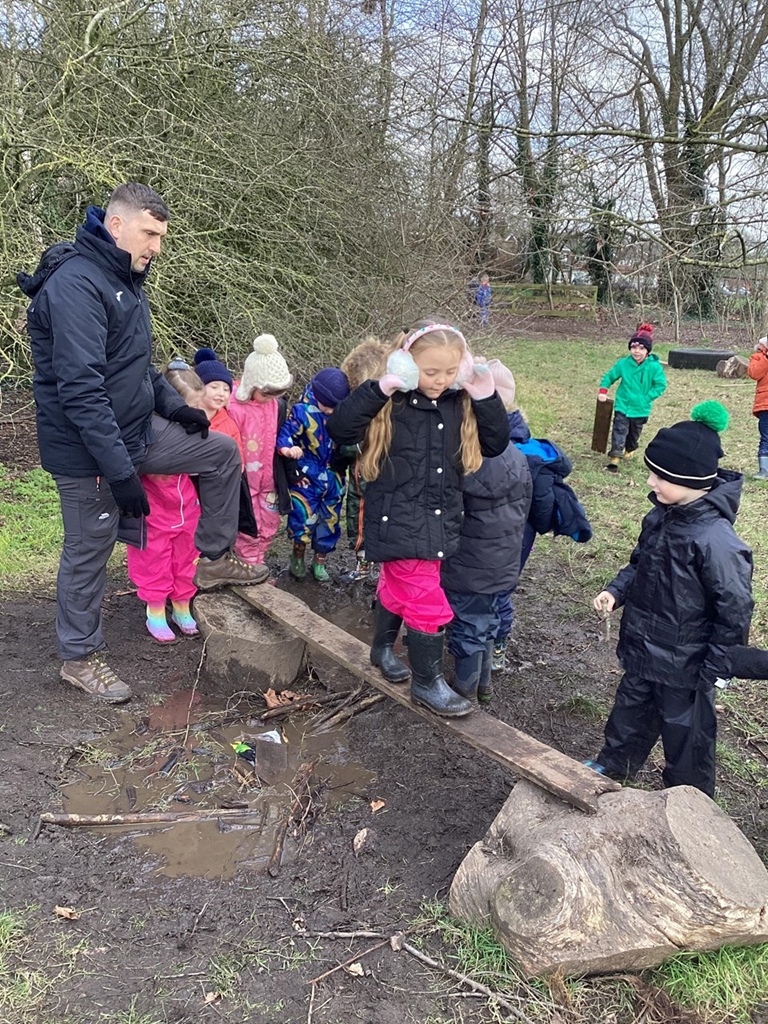
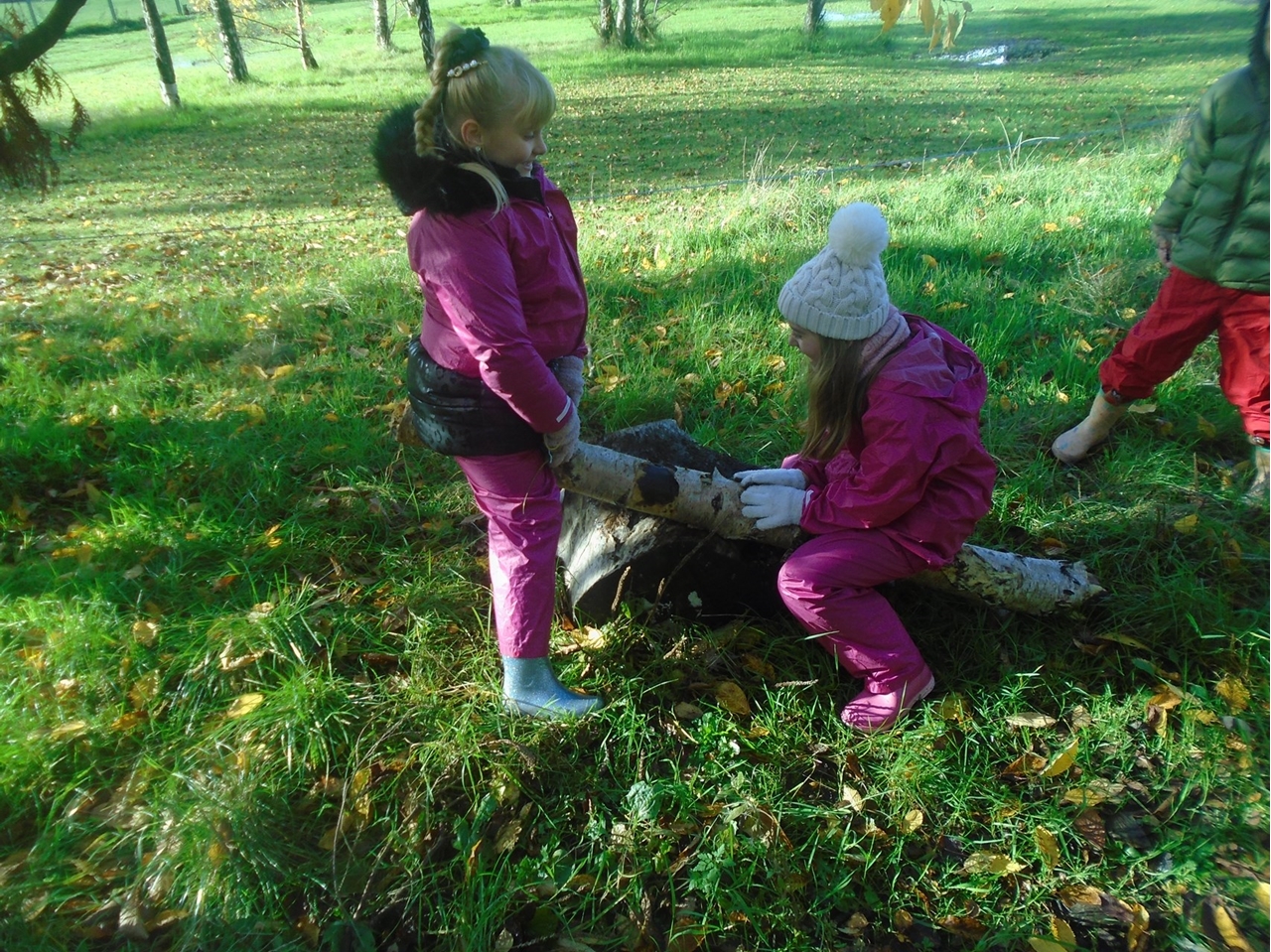
What we think of forest school...
We asked what you thought of forest school. Feedback has been overwhelmingly positive. Here is what you told us!
Pupils
It is brilliant because of all the games.
I like it because we have learnt so many new things.
I feel really happy in forest school.
I love it because it's really fun and I love climbing trees.
I like it. It's fun and Jason is really nice.
If I could rate it, it would be five stars!
I think forest school is helpful because if we got lost in the middle of nowhere, forest school would have taught us how to survive.
I think forest school is amazing because I love being outside.
It's fun and Jason has a good sense of humour, making it fun for all.
I think it is key to child development to learn more about the outside world. It is a remarkable addition to our school curriculum and I love it!
Parents
Fantastic!
I am thrilled that forest school is now apart of the Crestwood Park curriculum. I really believe that learning outdoors is something all children should have the opportunity to participate in. Both my children love their forest school sessions, they are the highlight of their week. The skills and experiences children will learn in these sessions are so precious, especially in a world where children are spending so much more time indoors.
My child loves forest school. I think it's a brilliant idea.
It's good to be outside and learning about different things.
My child really enjoys forest school. She talks in great detail about what she has learnt. She really enjoyed making a fire and seating area with her class and having conversations. The fresh air also does really helps to build her immune system and mental well-being.
It's educational and fun.
Staff
Forest school is fab! The children and staff all enjoy it so much. Great to learn new skills and games outside the classroom. I love it!!
It's a great opportunity for children who might find the academic side of school tricky to shine!
An excellent opportunity for children to develop skills and teamwork outside of the classroom. We have seen children shine during forest school - particularly those children who can find learning a challenge.
Challenging but beneficial for all children involved.
The children really look forward to it and it makes good use of our outdoor environment.
I think it's a great opportunity for children to get out of the classroom and learn different things in a different way.
I've seen some more timid children really flourish in these sessions.
What is Forest School?
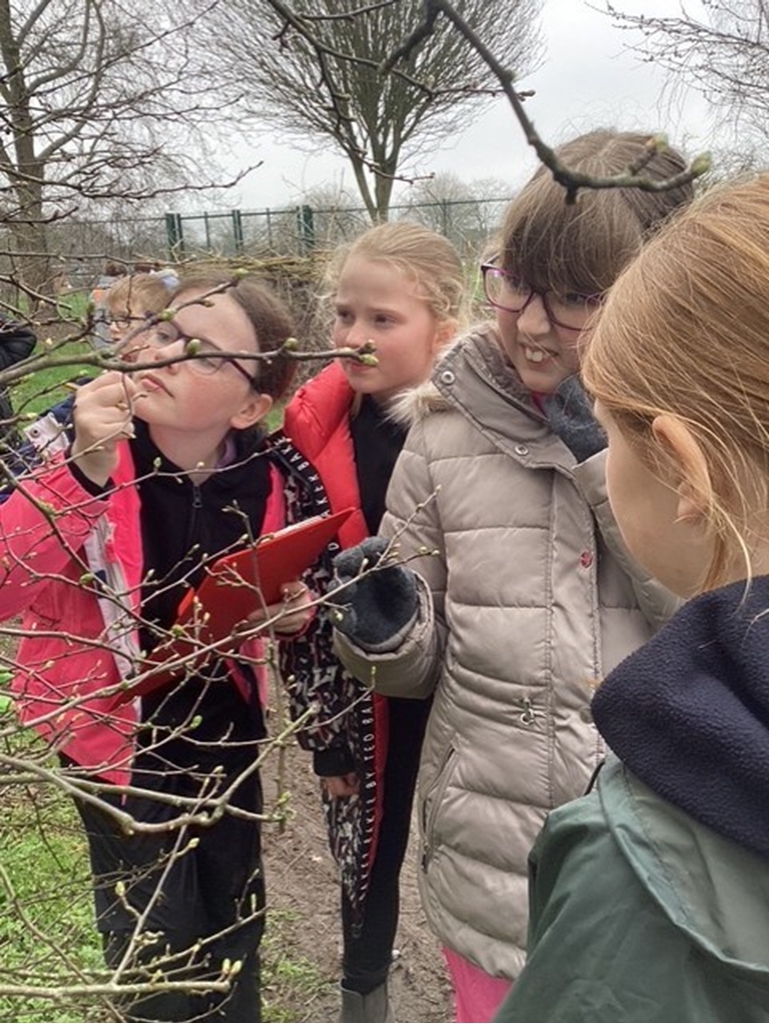
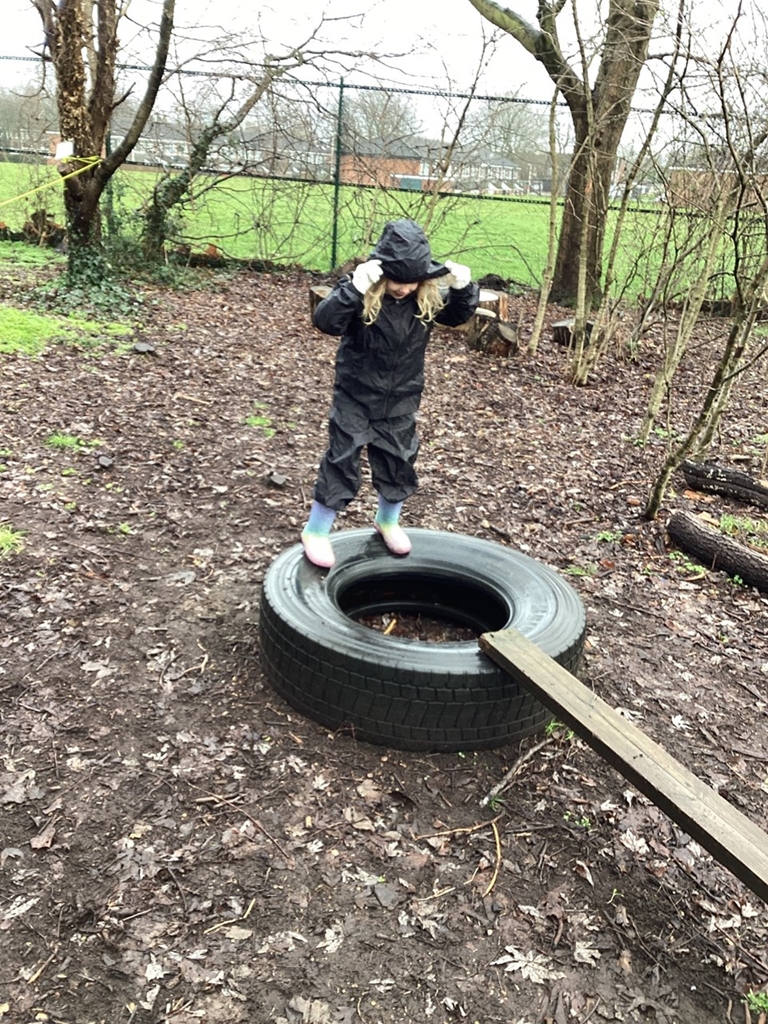
Forest School is an inspirational concept providing learning opportunities in the outdoor environment. Children will engage in many and varied practical activities outside, in our school grounds. There are too many activities to list, but they may include bush craft, cookery, den building and art. It is our hope that by engaging in such activities regularly, children will develop their resilience, self-belief, motivation and confidence. Such skills will then be transferrable to the classroom and will support children with their learning inside too.
Who leads Forest School sessions?
Mr Barnett is the Practitioner. He started his Forest School training in May 2023 with Birmingham Forest Schools. During this time, he had to complete 2 weeks of practical training alongside a portfolio to complete, with his final assessment date 12 months later. Mr Barnett completed his portfolio with a grade of Distinction and was rewarded with is new qualification OCN Level 3 – Forest School Practitioner Award Level 3.
Mr Barnetts Favourite things to do in Forest School:
- Fire building
- Cooking
- Hide and seek
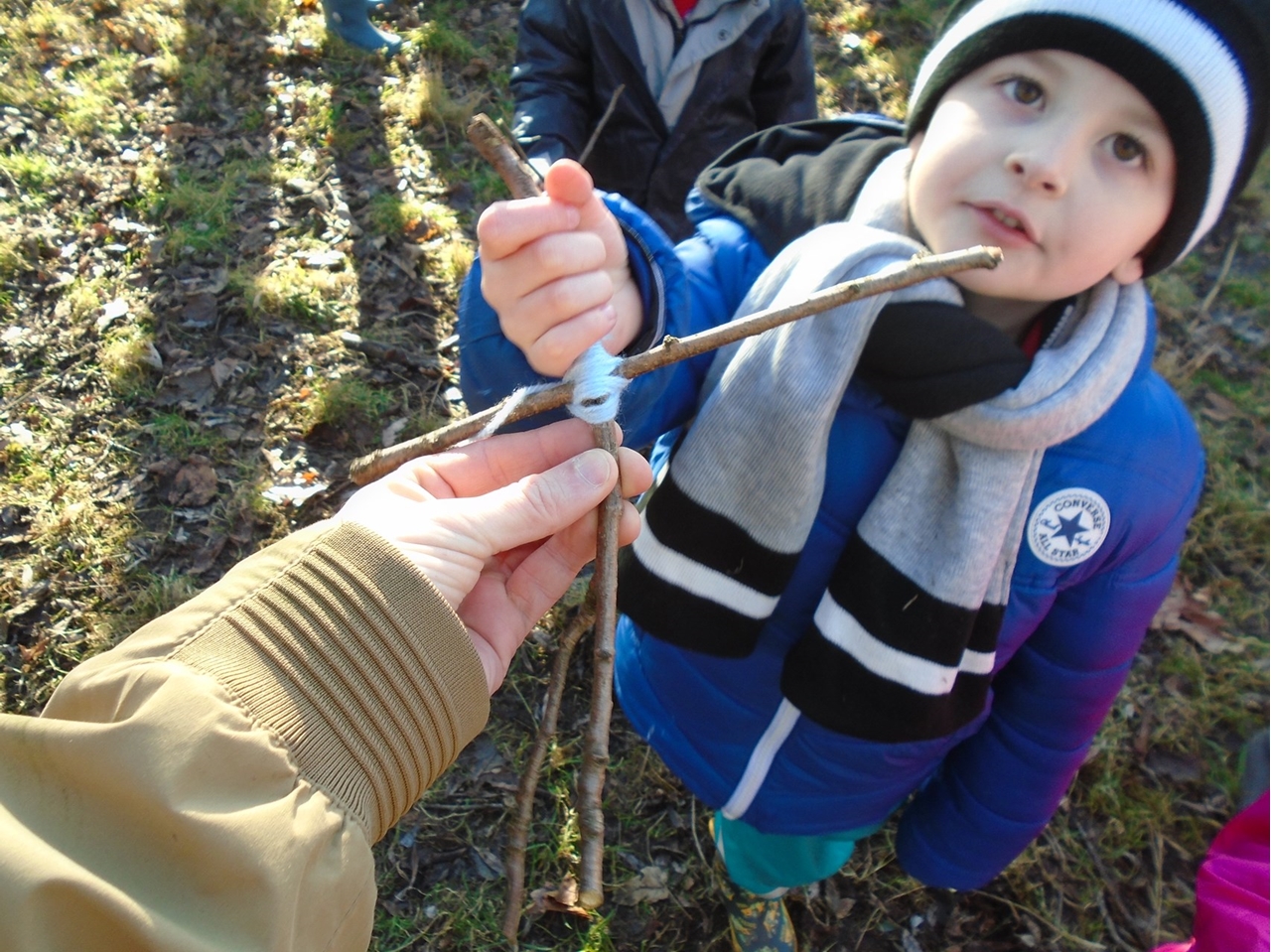
- Knots
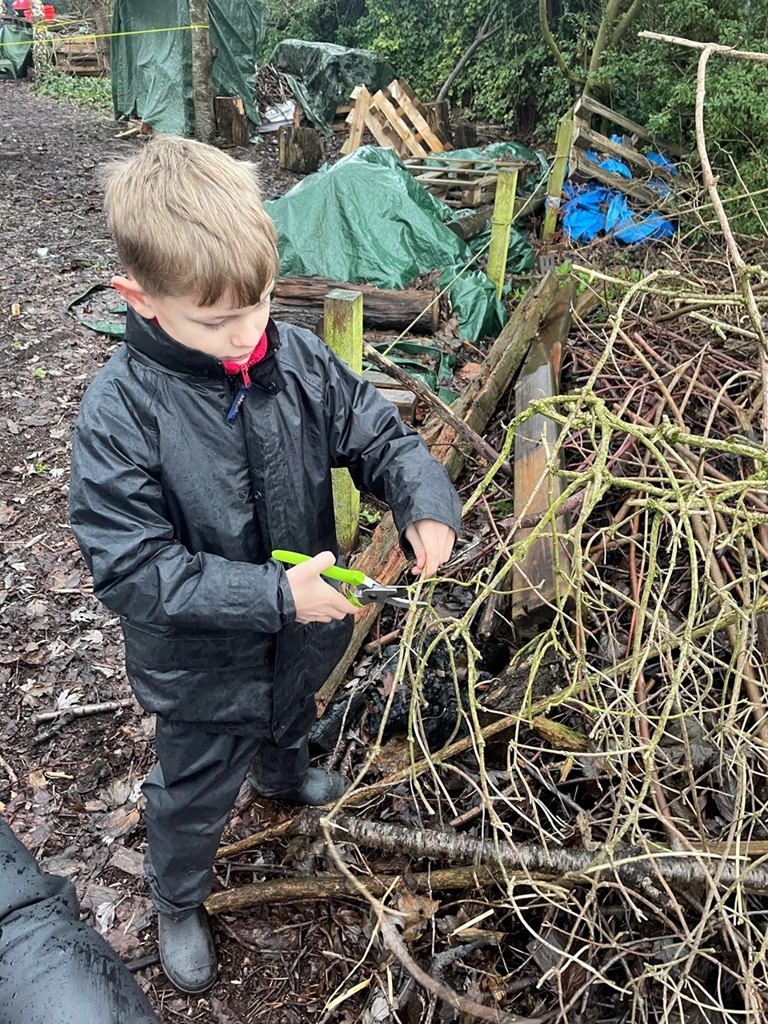
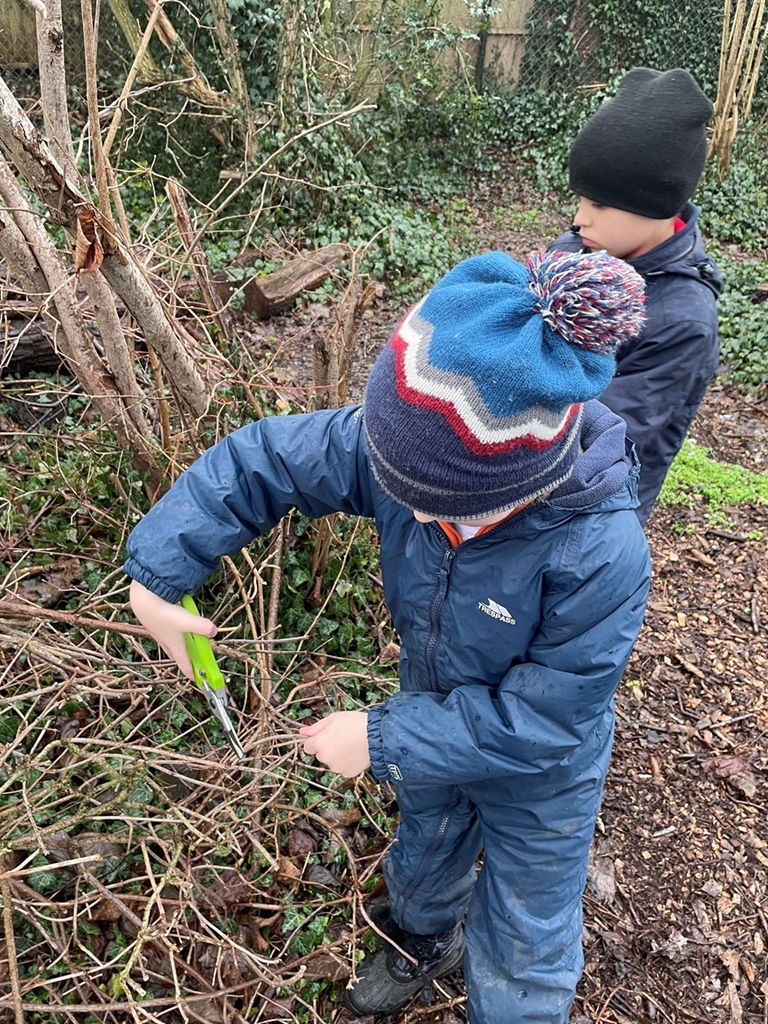
- Using Tools
- Working with children of all abilities and experience
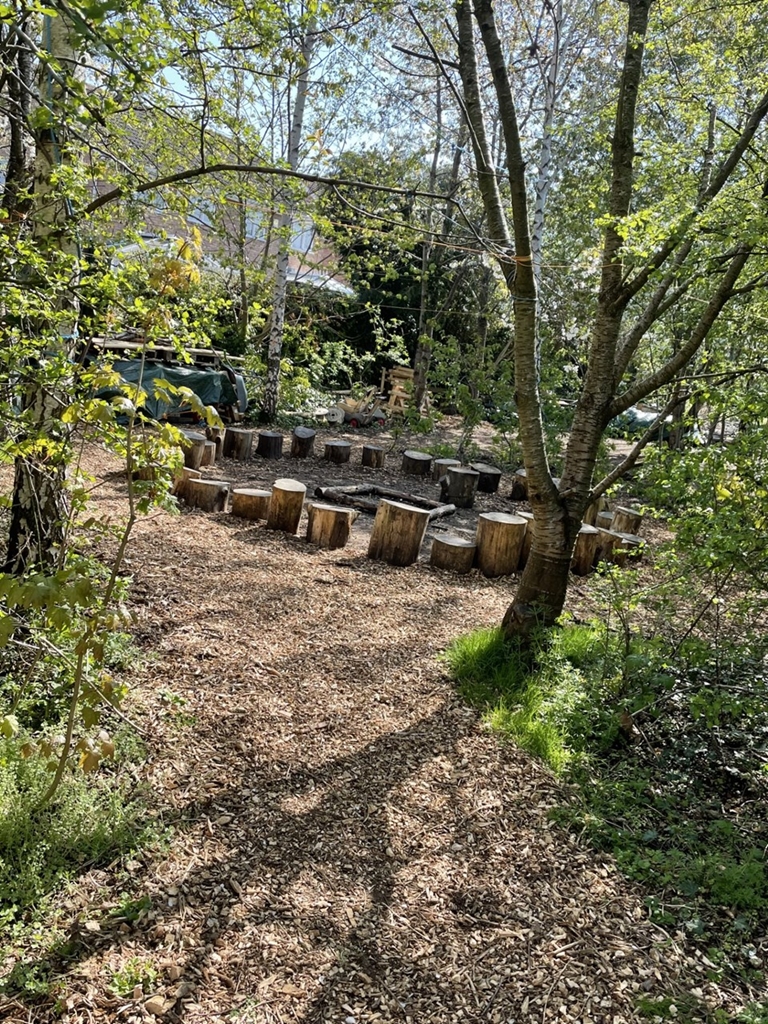
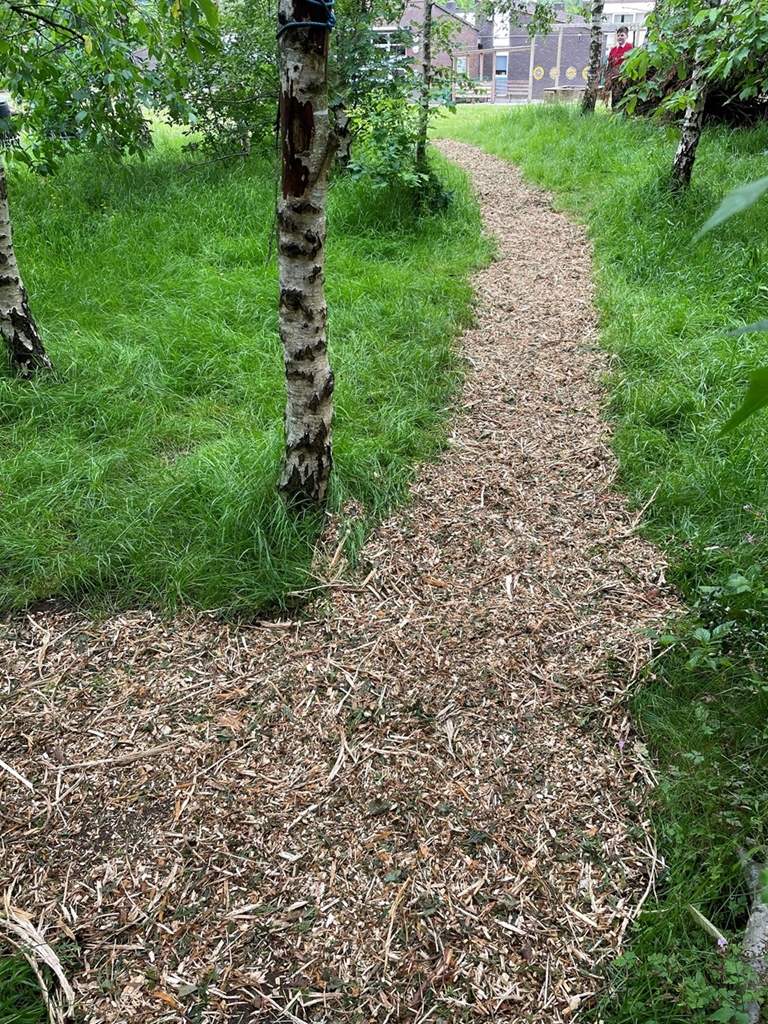
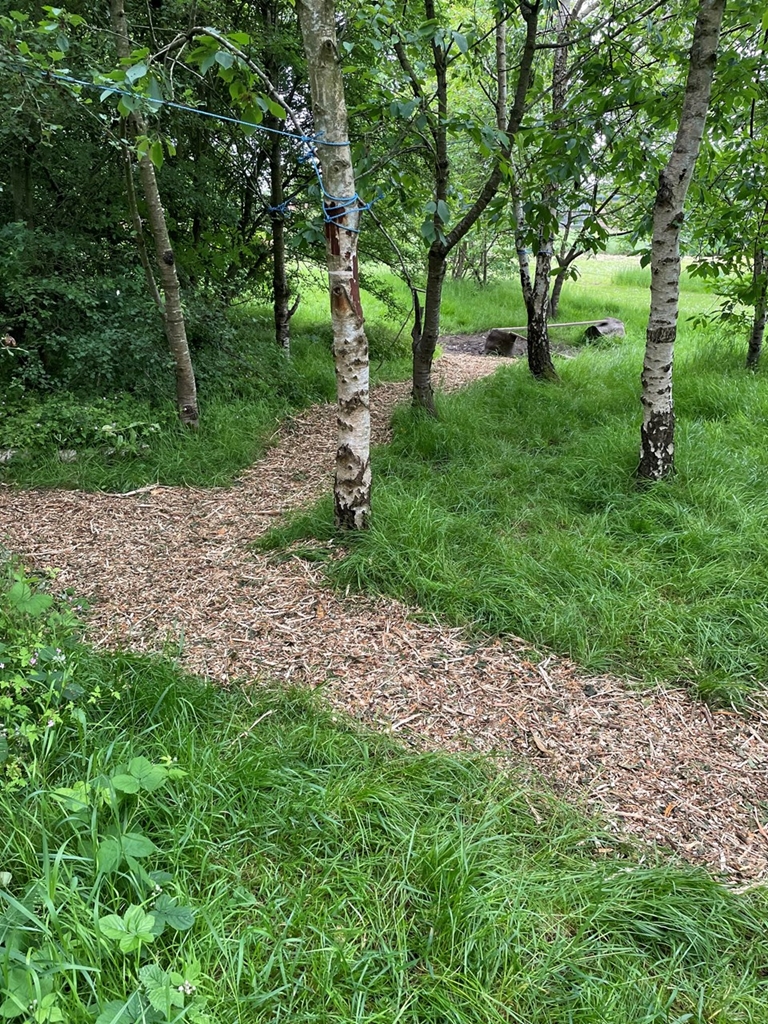
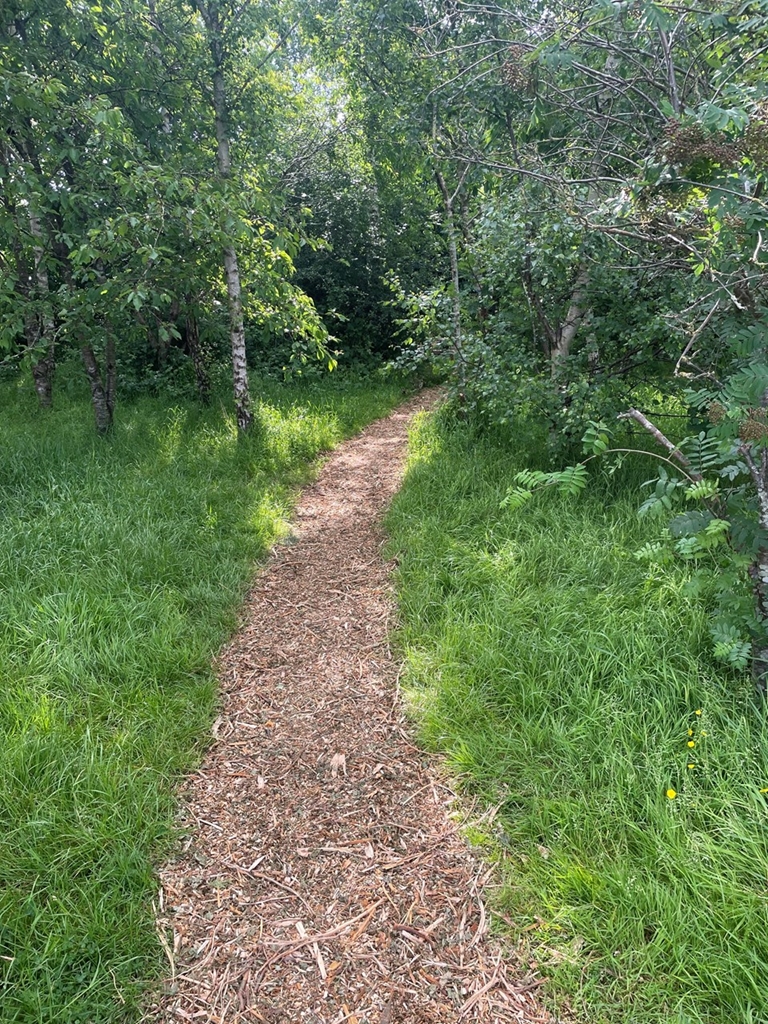
Our Forest School Area.
Bigger Den Building
Progression to Bigger Den Building
Year 1
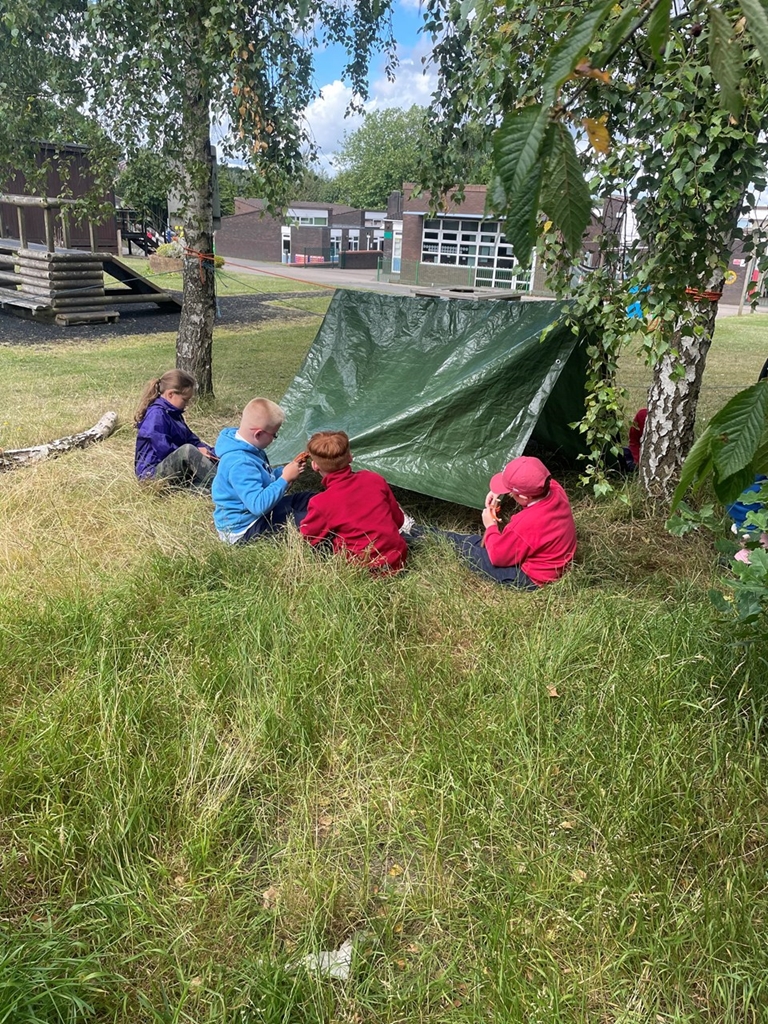
- I can help support erect a tarpaulin
Year 2
- I can use a mallet with help from an adult hammer a wooden peg in the ground
Year 3
- I can use a clove hitch knot to attach the rope supports to a peg
Year 4
- I can independently attach the rope to a tarpaulin and then use a clove hitch knot to the support peg
Year 5 & 6
- I can use a tension knot to set up my ridge line
- I can attach the rope to support using a taunt line hitch
Bug Hunting
Progression skills for Bug Hunting
Year 1
- Respect for Nature: Understanding the basic rule of putting bugs back where they were found because they may not survive elsewhere.
- Communication: Sharing discoveries and experiences with others in the group, describing what they found.
- Observation: The primary skill is simply looking and noticing things in the environment.
Year 2
- Basic Handling: Learning to handle minibeasts gently and safely using a small stick, spoon, or brush and placing them into a pot or tray for a closer look.
- Identification (Basic): Naming common minibeasts found, possibly using a simple ID guide or spotter sheet.
Year 3
- Using Equipment: Becoming proficient in using various tools safely and effectively, such as magnifying glasses, small nets, and white trays to observe creatures.
- Data Collection (Basic): Recording findings through simple methods like drawing pictures, taking photos, or making a tally of the numbers of different minibeasts found.
Year 4
- Understanding Habitats: Beginning to link the location where a bug was found (e.g., under a log, in long grass, on a leaf) to its needs for survival (food, water, shelter, safety from predators).
- Teamwork: Working in small groups to search for creatures and sharing the equipment and findings.
Year 5
- Identification & Classification: Identifying specific species rather than just the general type (e.g., distinguishing between different types of beetles or ladybirds) and understanding how to classify them (e.g., insect vs. arachnid, invertebrate characteristics).
- Understanding Life Cycles and Food Chains: Discussing the role of the minibeasts in the local ecosystem, including what they eat, what eats them (simple food webs), and their life cycles.
Year 6
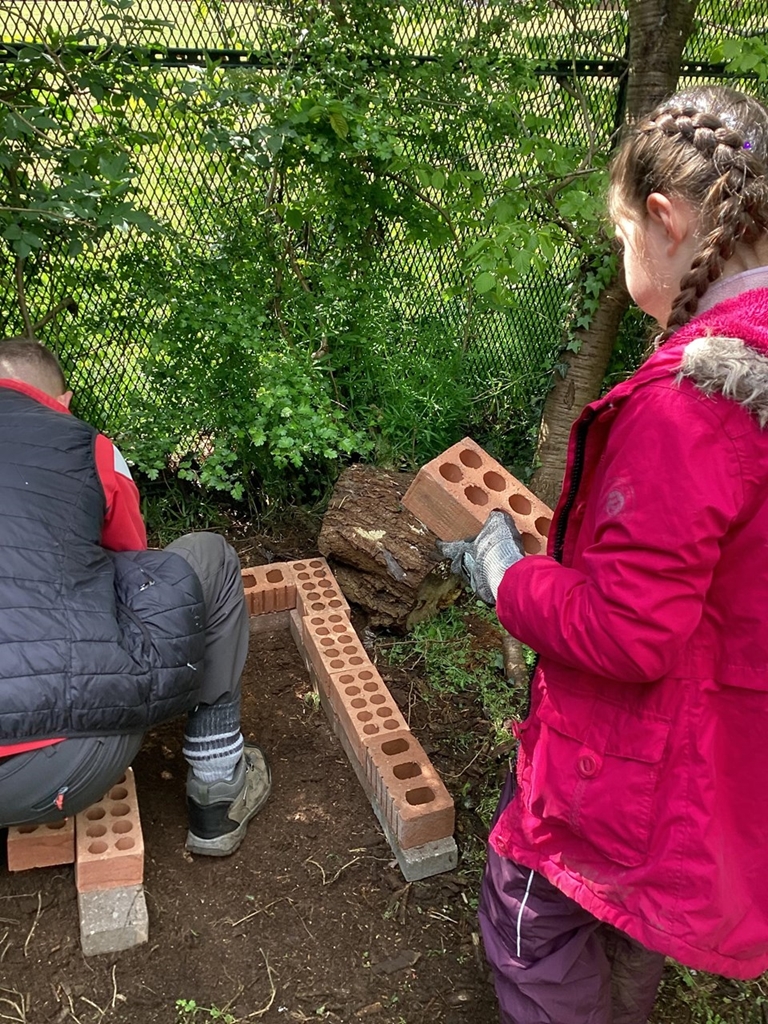
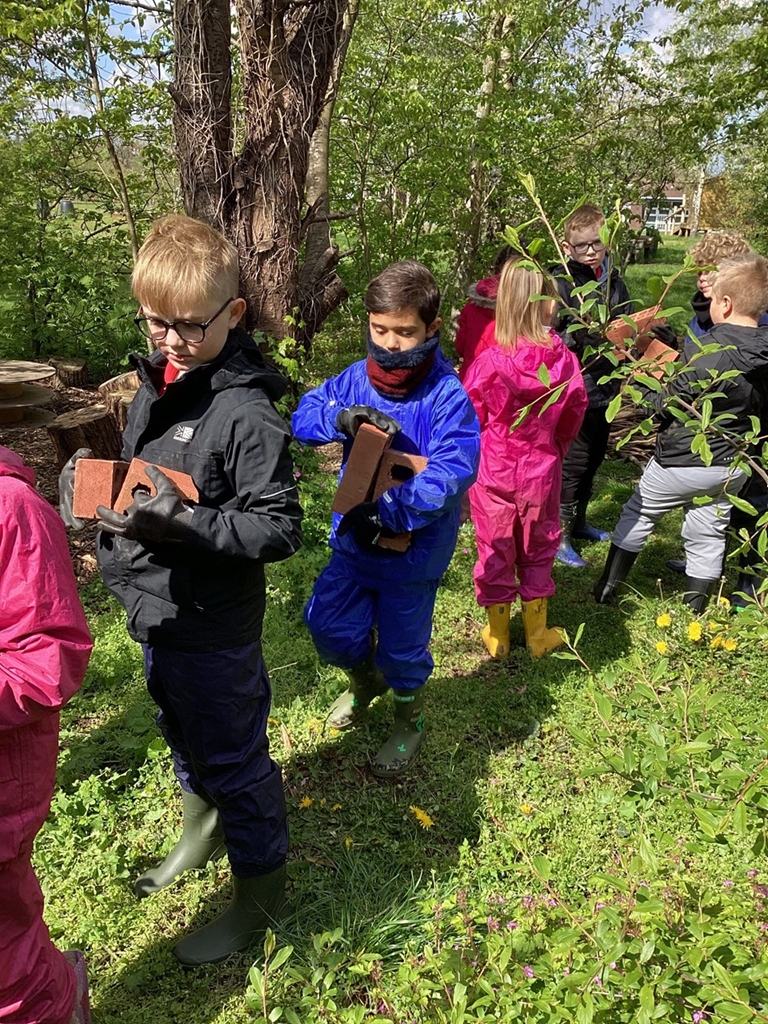
- Habitat Improvement: Finding ways to encourage more wildlife into an area, such as building a bug hotel, creating a log pile or building a dead hedge.
Den Building
Progression skills – Den Building
The focus is on exploration, basic material properties, and supported building.
Year 1
- Exploration & Design: Discussing the need for shelter (like animal homes), building 2D dens for toys using found materials (sticks, leaves, mud).
- Materials: Understanding that different materials have different properties (e.g., some keep water out, some are sturdy).
Year 2
- Basic Construction: Introduction to simple structures like a tripod, often for a mini-den.
Year 3 and 4
- Construction: Creating a lean-to shelter with some support, using logs and sticks more creatively for design.
- Knot Tying: Learning basic knots and beginning to use rope or string to secure dens.
- Evaluation: Comparing and evaluating shelters for sturdiness, durability, and weatherproofing.
- Collaboration: Working with an adult or in a small team to hold ropes or corners of tarps.
Year 5 and 6
The focus shifts to independent work, complex problem-solving, and teaching others.
- Building: Erecting tarpaulin shelters with adult support, creating free-standing dens independent of trees.
- Knots & Techniques: Tension Knot, Taunt line hitch
- Design & Planning: Planning, building, and reviewing their shelters in teams, considering weather conditions and positioning.
- Leadership: Taking on roles within a team, resolving conflict, and potentially mentoring younger children.
Fire Safety
Knots
Progression of Knots
Year 1
- Overhand knot
Year 2
- Figure of 8
Year 3
- Clove hitch
Year 4
- Square lashing
Year 5 & 6
- Tension knot
- Taunt line hitch
Tools
Tools progression
The progression of tool use skills in a Forest School setting typically follows a structured approach, moving from simple, closely supervised tasks to more complex, independent activities. This progression is based on the child's physical, mental, and social readiness, rather than a specific age, and emphasizes safety and respect for the tools and environment.
3 stages of progression include:
Stage 1: Introduction and Basic Safety (Beginners)
The initial focus is on establishing a safe working area, understanding rules, and developing basic motor skills through simple tools and guided activities.
- Awareness and Rules: Learning "tool talk" and safety rules, such as maintaining a safe working distance (the "blood bubble").
- Simple Tools: Introduction to basic tools with high levels of adult supervision (often 1:1).
- Activities:
- Using peelers to remove bark from sticks (whittling a cooking stick or wand).
- Using hammers and mallets for simple tasks, or securing small pegs.
- Using secateurs to cut small, finger-thickness twigs or brambles.
- Learning how to safely carry and store tools.
Stage 2: Developing Confidence and Independence (Intermediate)
As children gain experience and confidence, they move towards more independent use of a wider range of tools and more complex projects.
- Increased Independence: Moving from 1:1 supervision to working in small groups with less direct adult support.
- Wider Tool Range: Introduction of more specialized tools.
- Activities:
- Using loppers to cut thicker pieces of wood, often working with a partner (one cuts, one watches/holds).
- Using a hand drill or palm drill to make holes in wood for crafts like medallions or wind chimes.
- Introduction to the bow saw for cutting larger branches or log discs, initially with support and then independently.
- Beginning to learn and use simple knots like the half hitch, reef knot, or timber hitch for den building or dragging wood safely.
- Using a sheath knife for whittling, with a strong focus on safe handling and working techniques (e.g., working away from the body).
Stage 3: Mastery and Peer Mentoring (Advanced)
At this stage, participants can independently select the correct tool for a task, understand and manage risks.
- Advanced Tool Use: Using heavier-duty tools and more advanced techniques.
- Independence: Erecting shelters with little adult support and applying mastered skills to lead their own projects.
- Activities:
- Using a billhook and mallet to split wood for fire fuel.
- Independent and supervised use of an axe for splitting logs.
- Carving tent pegs using a knife.
- Demonstrating knowledge of appropriate knots and techniques for specific circumstances.
- Taking responsibility for the cleaning and maintenance of tools after use.
Throughout all stages, the emphasis is on safety, responsibility, and communication. Leaders ensure that activities are matched to the learner's ability and that clear instructions and constant supervision (appropriate to skill level) are provided.
Clothing List
Forest School – Seasonal clothing
Please find below a table of advice for the clothes your child would wear/bring to Forest school. We advise that years 1 & 2 can arrive in their forest school clothes and bring school uniform to change into after the session. Years 3,4,5 & 6 will wear school uniform as normal to school and bring their forest school clothes in a separate bag.
Please be aware that in some sessions, children will get wet and muddy therefore, please bring a separate coat for the session for your child to wear, keeping their school coat dry and clean for break and lunchtimes.
|
Autumn |
Winter |
Spring
|
Summer |
|
§ Comfortable trousers – Joggers/Leggings. § Long sleeve jumper. § Jumper – Zip up if possible. § Spare thicker jumper in school bag. § Waterproof clothing in school bag. § Outdoor boots or wellies. § Spare clothes in school bag for accidents, being too wet or muddy.
Spare clothes in school bag for accidents, being too wet or muddy.
|
§ Thermal leggings (Tights/ long johns). § Long sleeved thermal § Warm trousers or tracksuit bottoms § Long sleeved shirt § Fleece sweater § Thin pair of socks with a thermal or woolly pair on top. § Warm coat § Hat & scarf § Gloves § Outdoor boots, snow boots or wellies. § or wellies. § Waterproofs
Spare clothes in school bag for accidents, being too wet or muddy.
|
§ Comfortable trousers – Joggers/Leggings. § Long sleeve jumper. § Jumper – Zip up if possible. § Spare thicker jumper in school bag. § Waterproof clothing in school bag. § Outdoor boots or wellies. § Spare clothes in school bag for accidents, being too wet or muddy.
Spare clothes in school bag for accidents, being too wet or muddy. |
§ Comfortable long trousers/leggings (Tracksuit, joggers). § Lightweight long-sleeved jumper. § Zip up hoody. § Outdoor boots or wellies (no sandals/ flip flops). § Sun hat/Bucket hat. § Waterproofs still available in school bag. § Suncream. § Spare clothes in school bag for accidents, being too wet or muddy.
Spare clothes in school bag for accidents, being too wet or muddy.
|
(Spring and Autumn feel quite similar in terms of weather, so the kit list is the same for this reason)
To participate in the session the following must be adhered to, strictly no denim or open toed shoes in any season this also includes crocs, long hair to be tied up, jewellery and earrings to be removed and finally NO school uniform to be worn to a Forest School session.
If you have any questions regarding the kit then please do not hesitate to speak to Mr Barnett.
How Forest School benefits the Children
Forest School – Crestwood Park
What are the benefits of the forest school approach?
Forest schools offer significant benefits for children's holistic development, including improved confidence, resilience, and physical skills such as coordination and motor development. They foster emotional and social growth, boosting self-esteem, communication, and teamwork. Children gain environmental literacy, developing a deep appreciation for nature, and benefit from increased motivation, concentration, and cognitive development through hands-on, learner-led experiences.
Personal & Social Benefits
- Increased Confidence and Self-Esteem:
- Taking risks in a safe, supportive environment and mastering new skills in nature builds self-belief and a strong sense of self.
- Improved Resilience:
- Overcoming challenges and learning to persist at tasks helps children develop determination and bounce back from setbacks.
- Enhanced Social Skills:
- Activities promote communication, collaboration, and problem-solving as children work together in natural settings.
- Promotes Emotional Well-being:
- Time in nature can reduce stress and anxiety, contributing to better mental health and a greater sense of relaxation.
Physical & Cognitive Benefits
- Stronger Physical Skills:
- Climbing, balancing, and navigating natural environments develop gross and fine motor skills, strength, and coordination.
- Improved Motor Development:
- Children learn functional movements that are transferable to sports and everyday life.
- Boosted Concentration and Motivation:
- Engaging, hands-on activities in a stimulating natural environment increase focus and a desire to learn.
- Enhanced Cognitive Function:
- Outdoor learning is linked to improved memory, attention, and creativity, along with reduced symptoms of ADHD.
Environmental & Learning Benefits
- Greater Environmental Literacy:
- Direct immersion in nature fosters a deep understanding and appreciation for the natural world and sustainability.
- Learner-Led Experiences:
- Forest schools are child-centred, allowing children to explore their own interests and learn through discovery and supported risk-taking.
- Connection to Real-World Learning:
- Concepts learned in the classroom, such as shapes, science, and reading, can be applied and explored in a practical, outdoor context.
- Motivation for Lifelong Learning:
- The curiosity and sense of exploration fostered in forest school create a foundation for a lifelong love of learning.