Welcome to this special edition newsletter.
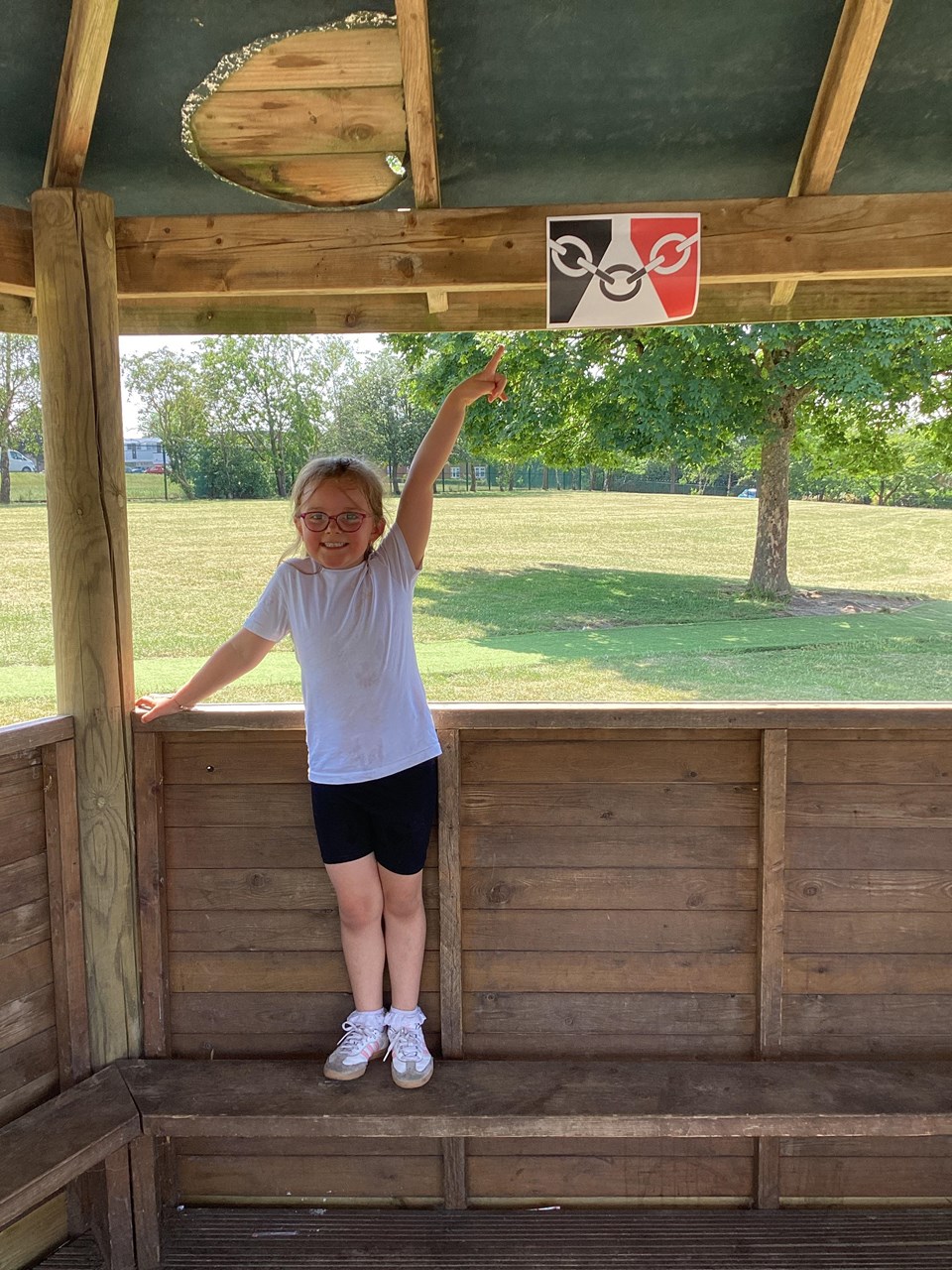
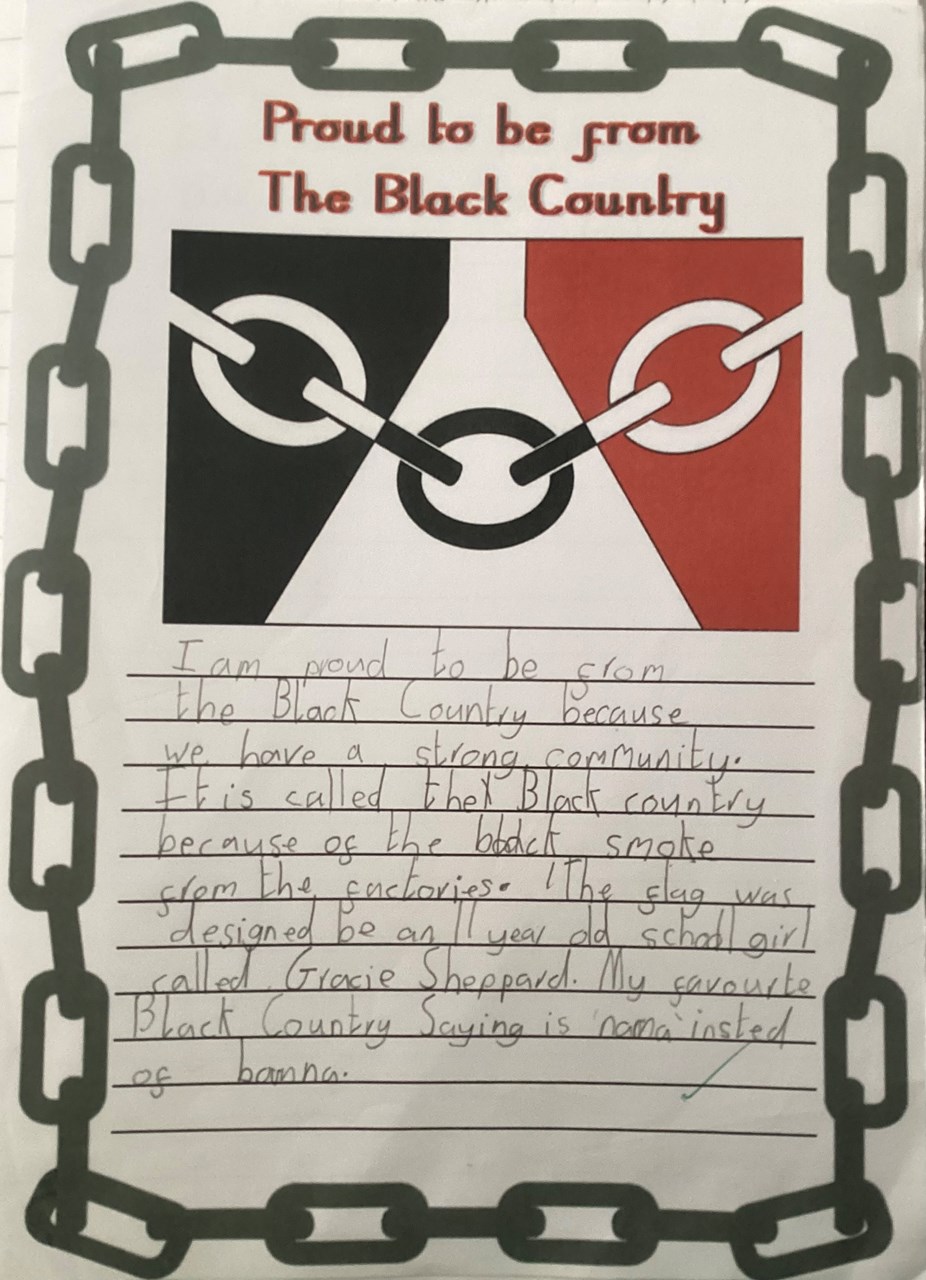
During the past term, we have been studying our local area; what it was like in the past; how that compares to now; and what makes us proud to be from The Black Country.
Please take a look to see what each year group has been learning.

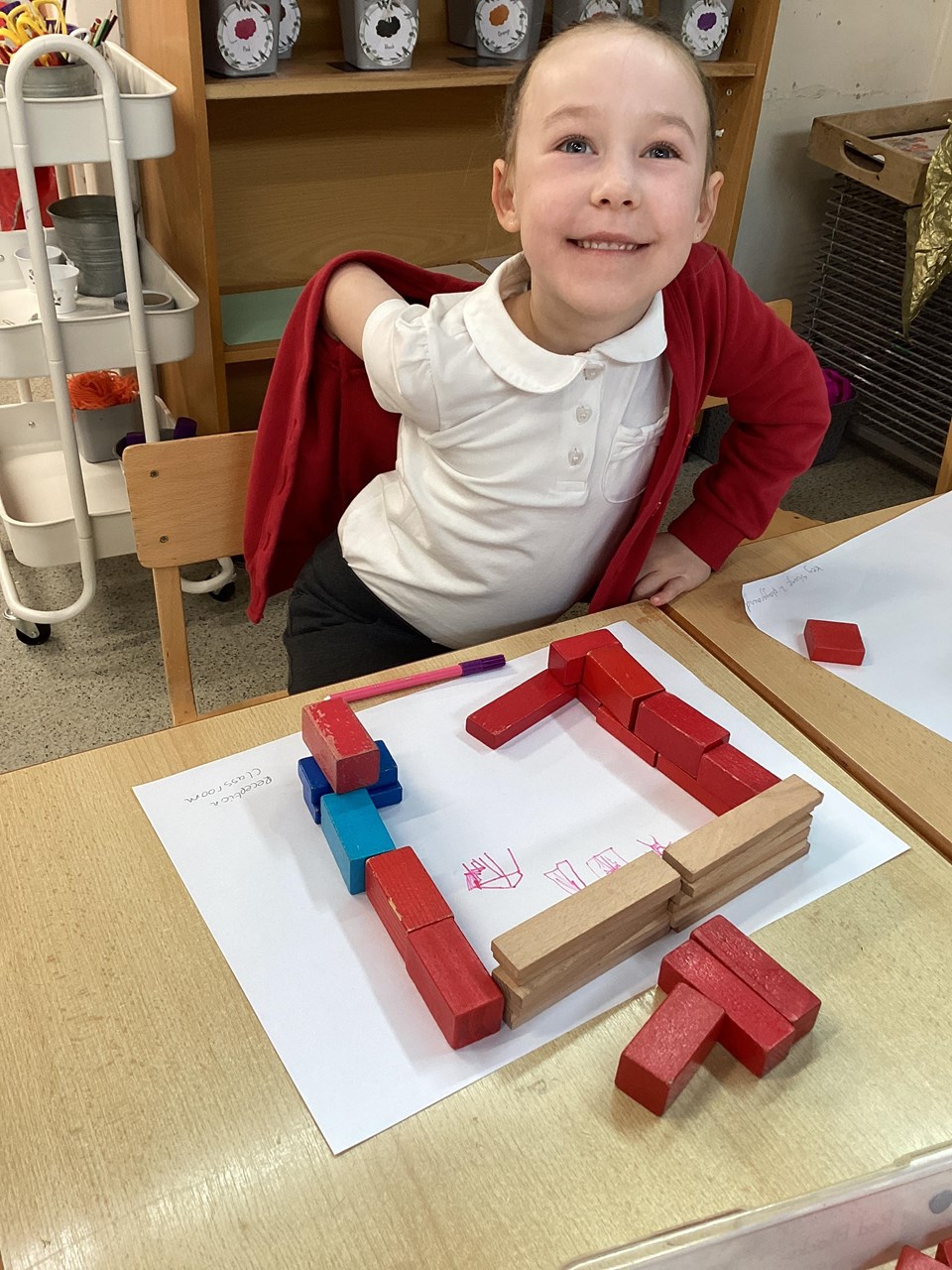
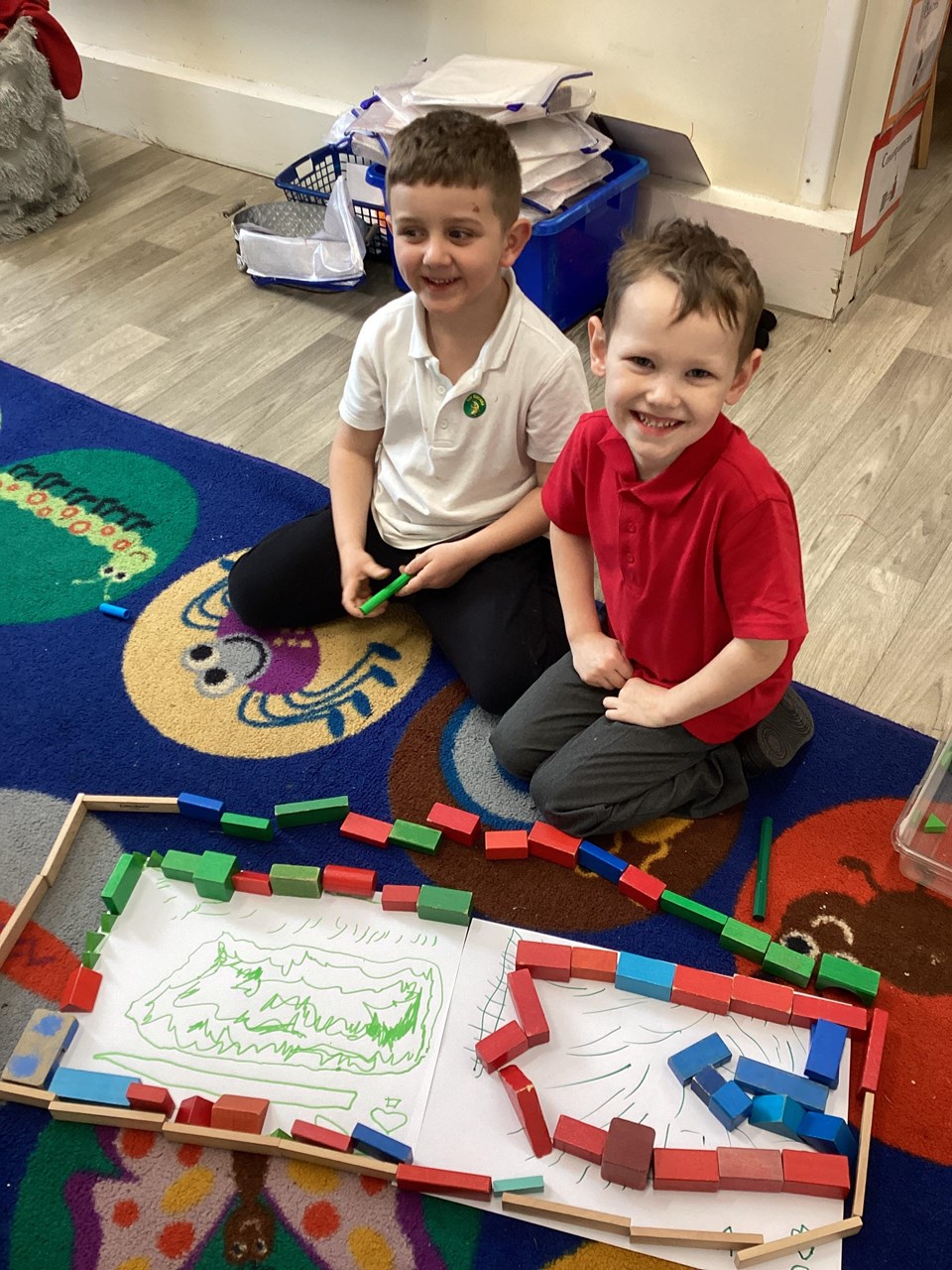
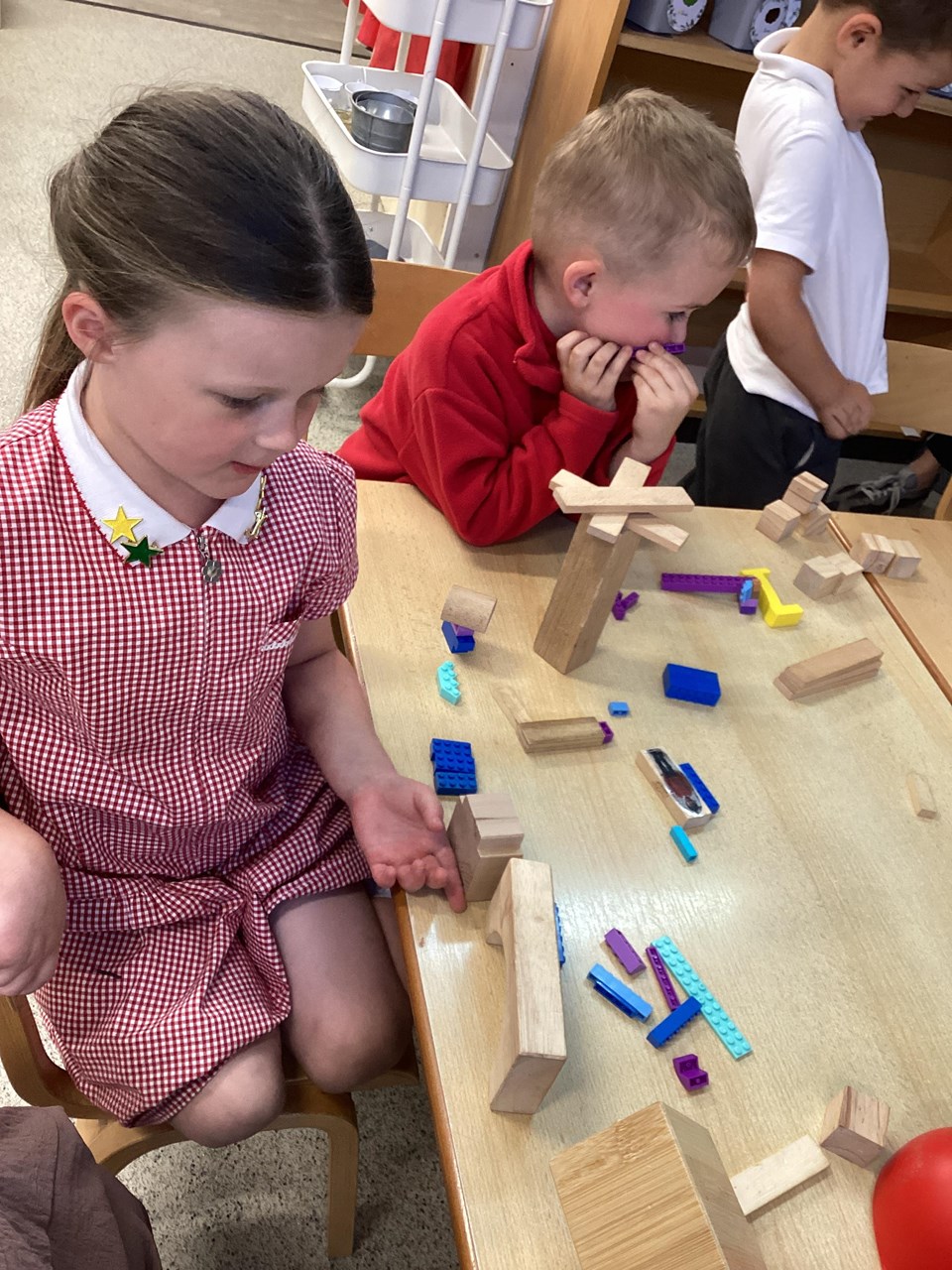
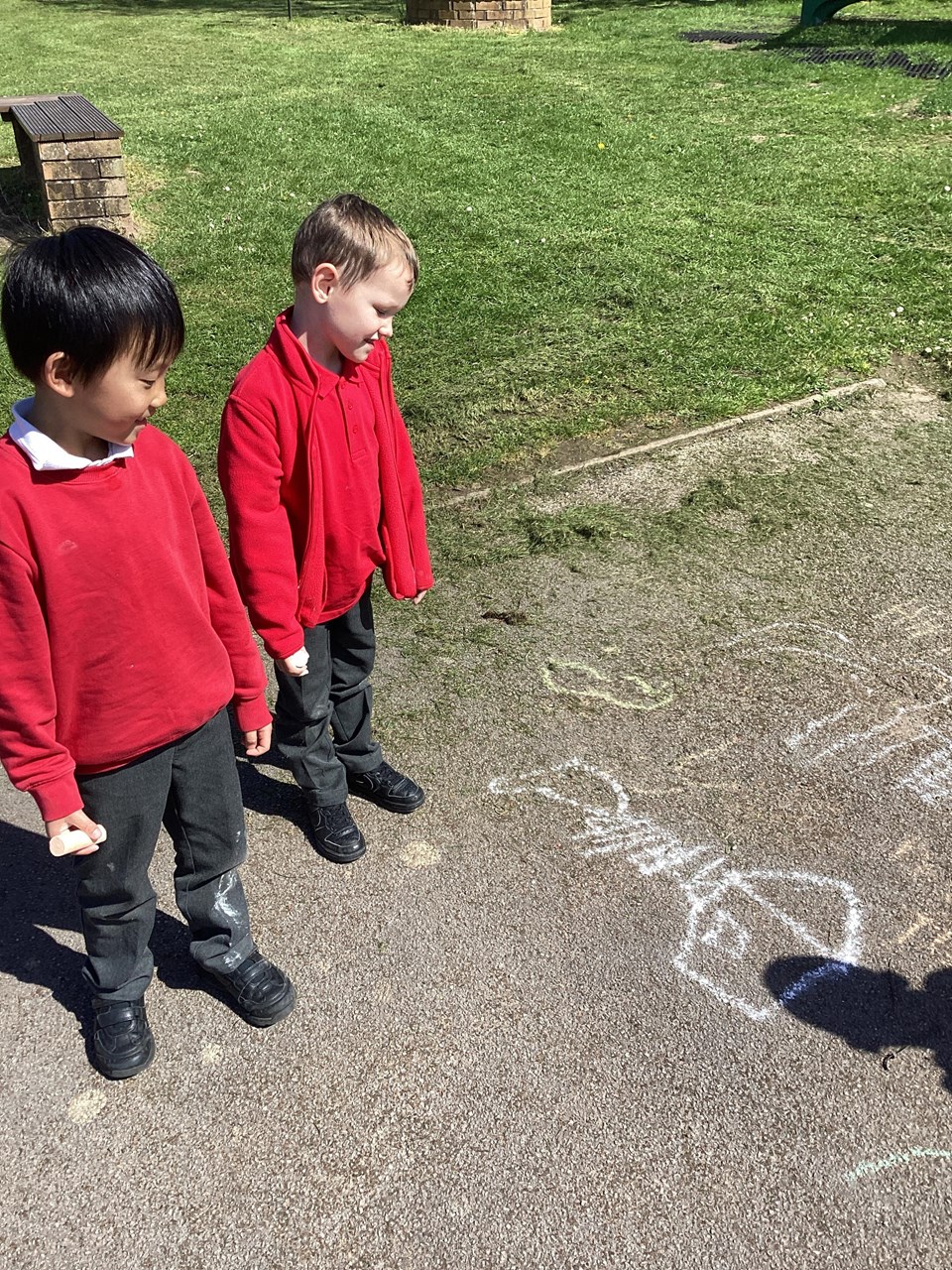
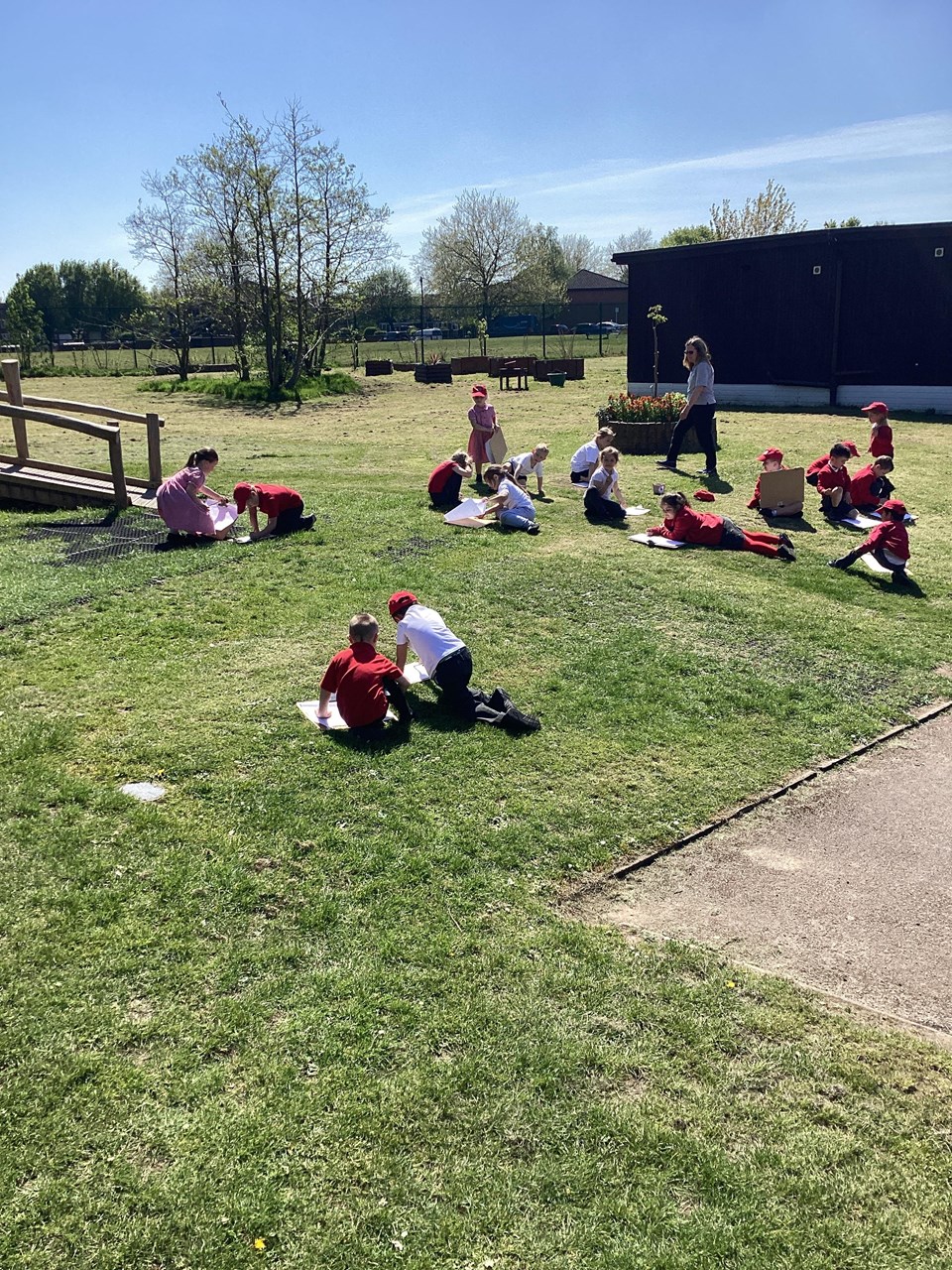
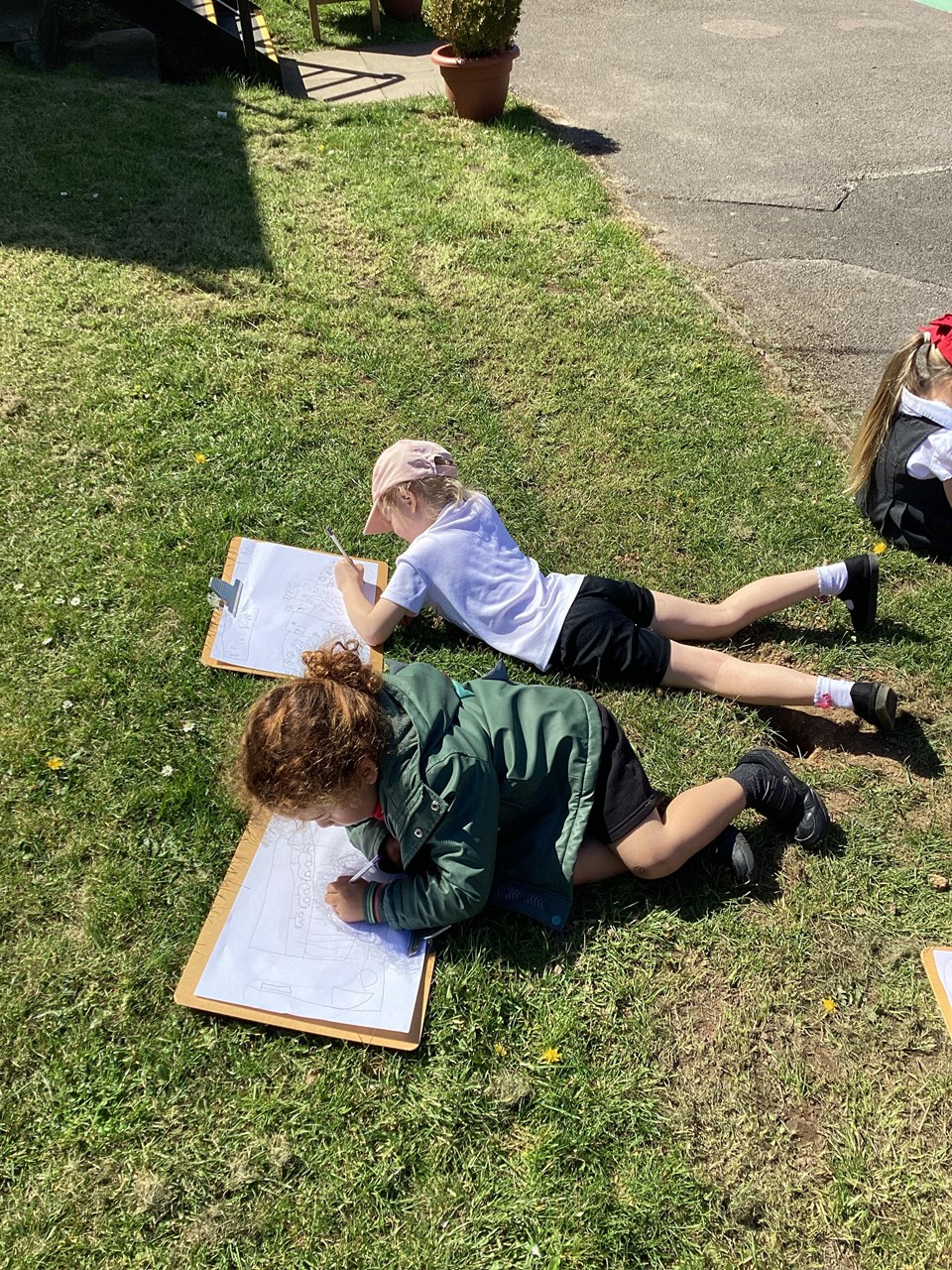
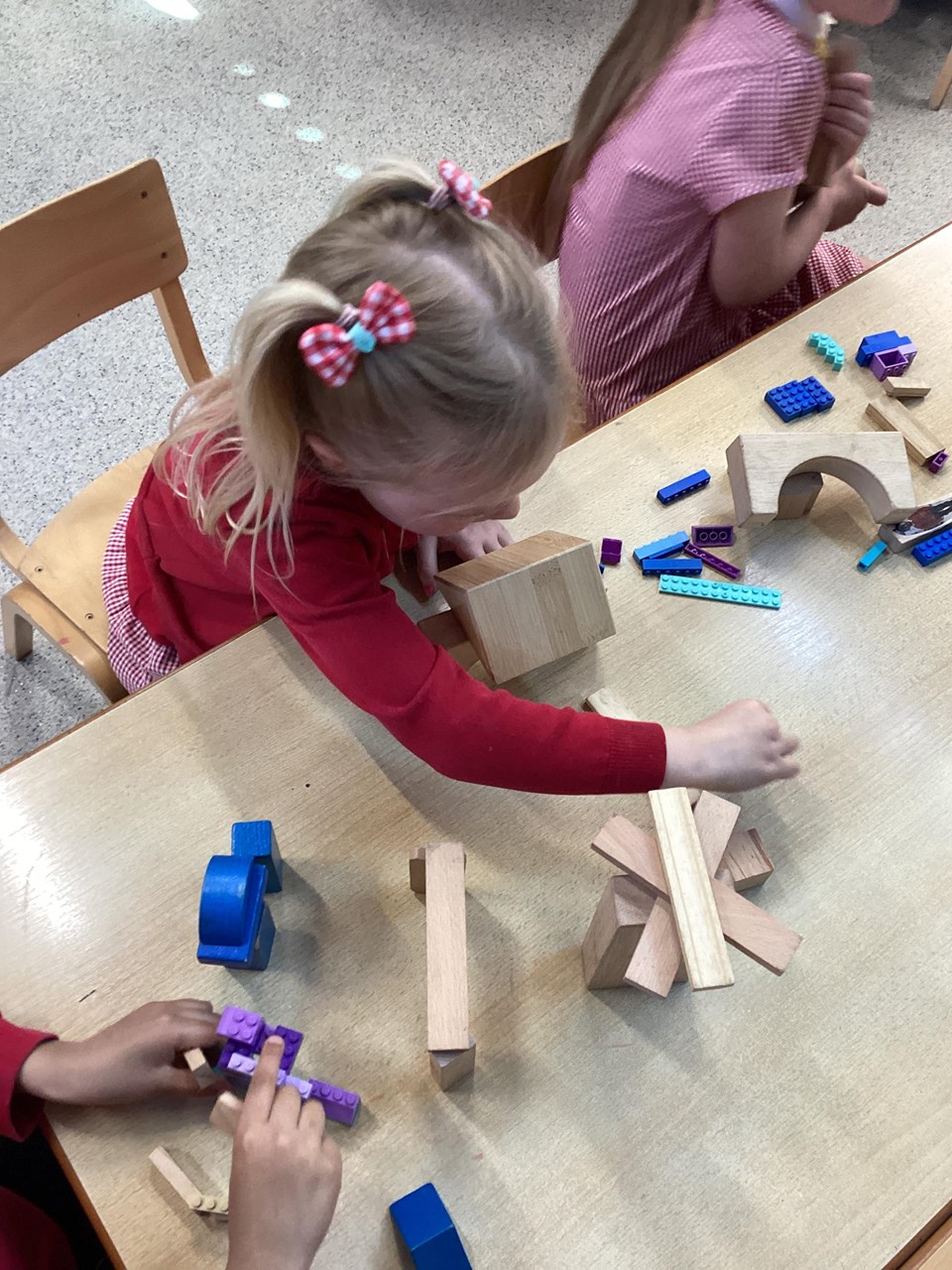
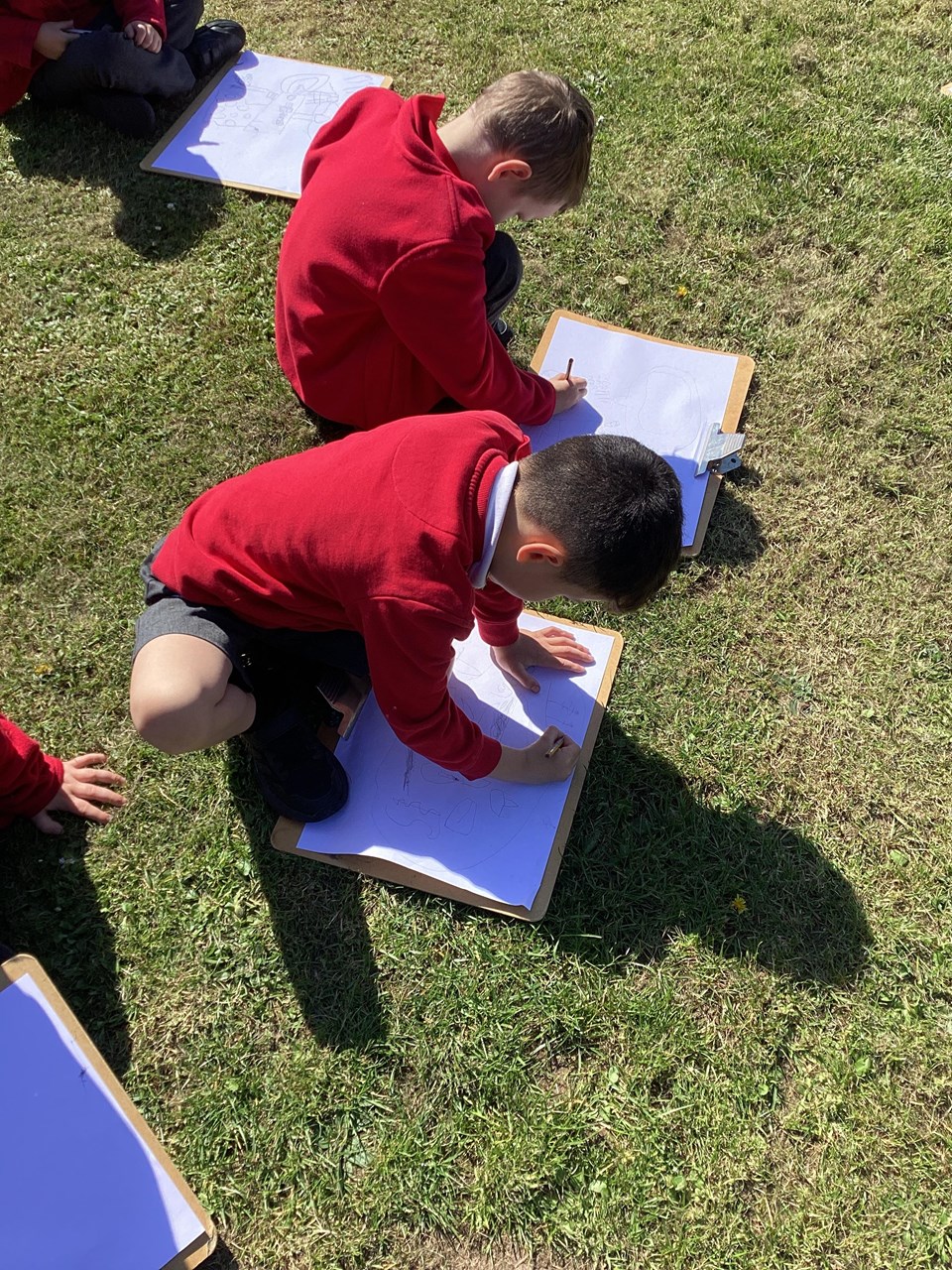
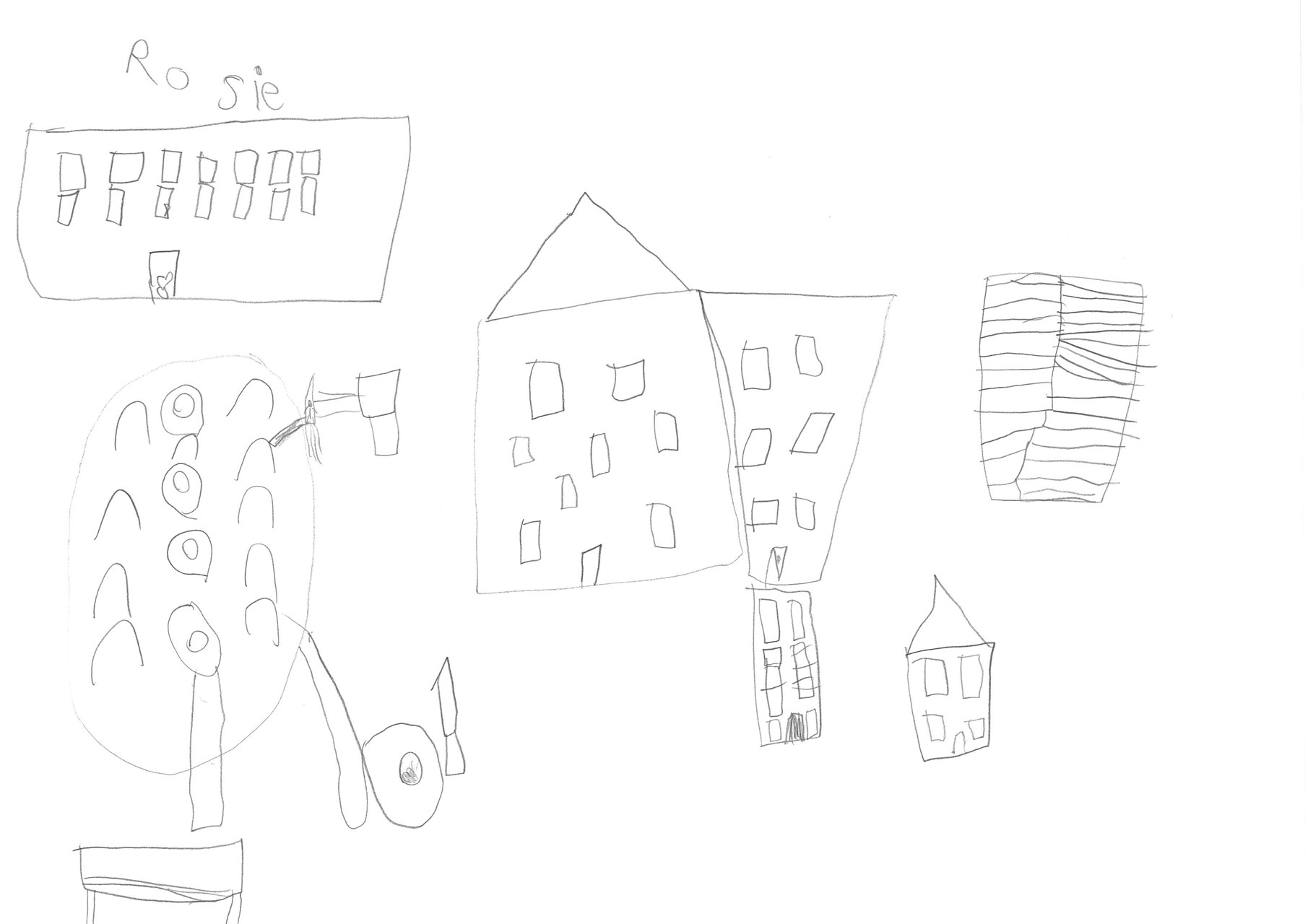
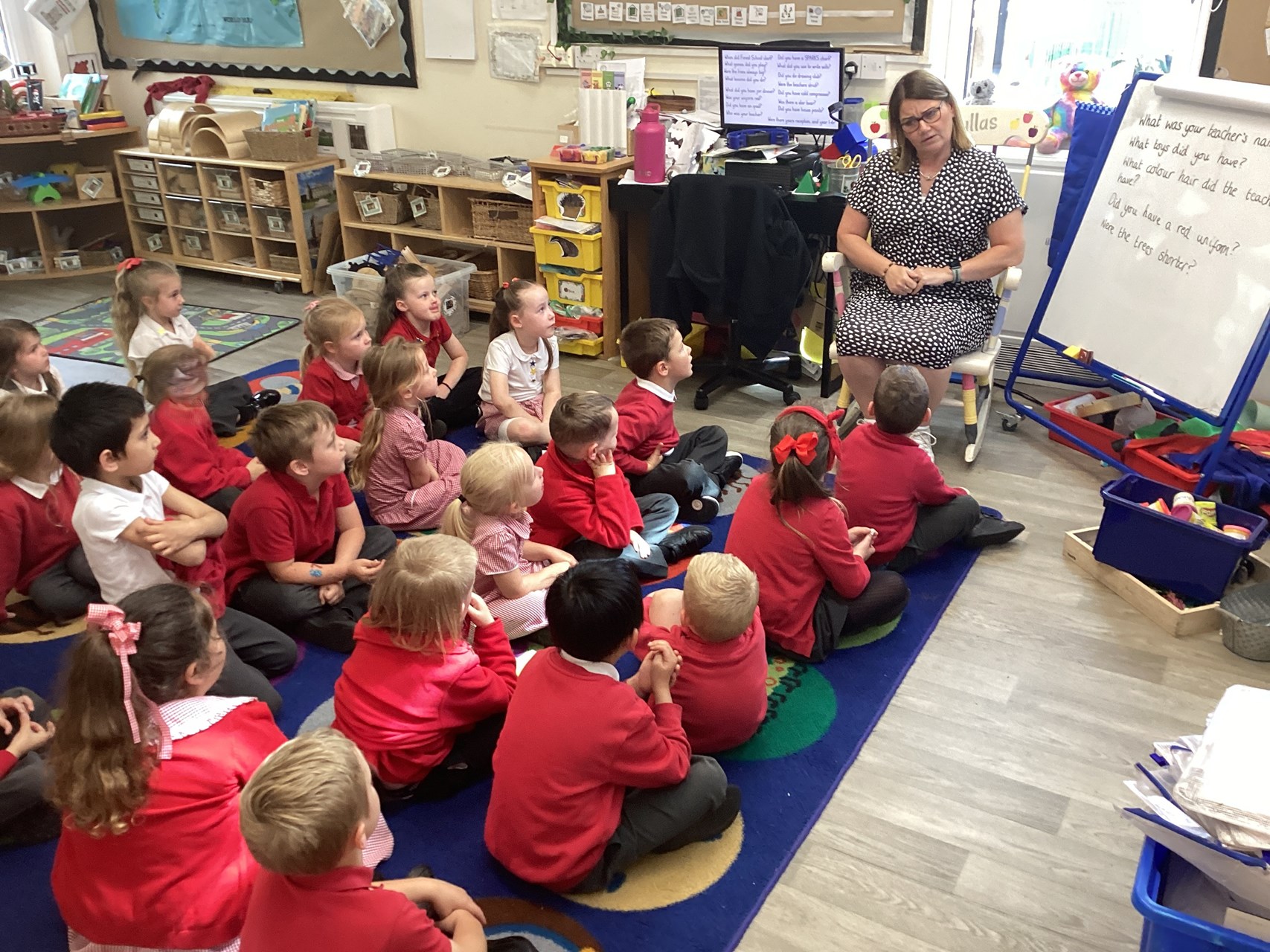
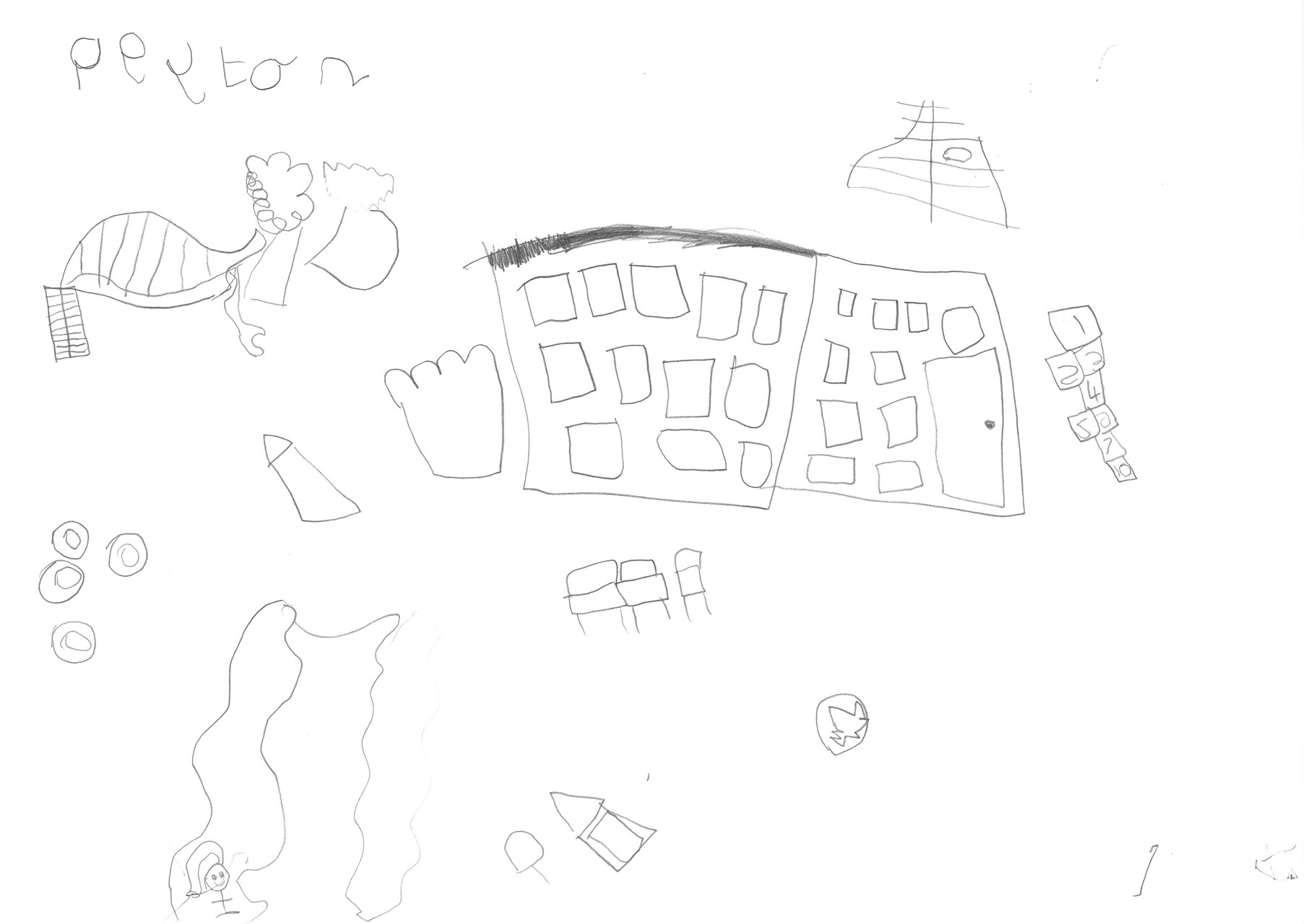
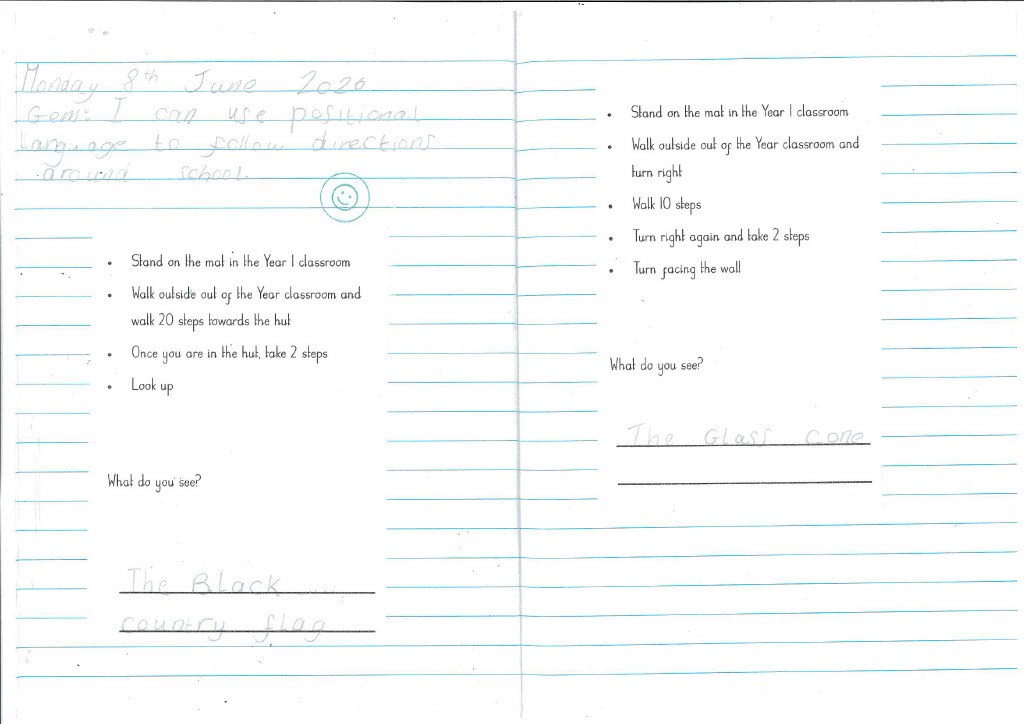
In Reception, the children identified features of our school by drawing them on the playground. They built their own map of our school and interviewed Mrs Cohen.

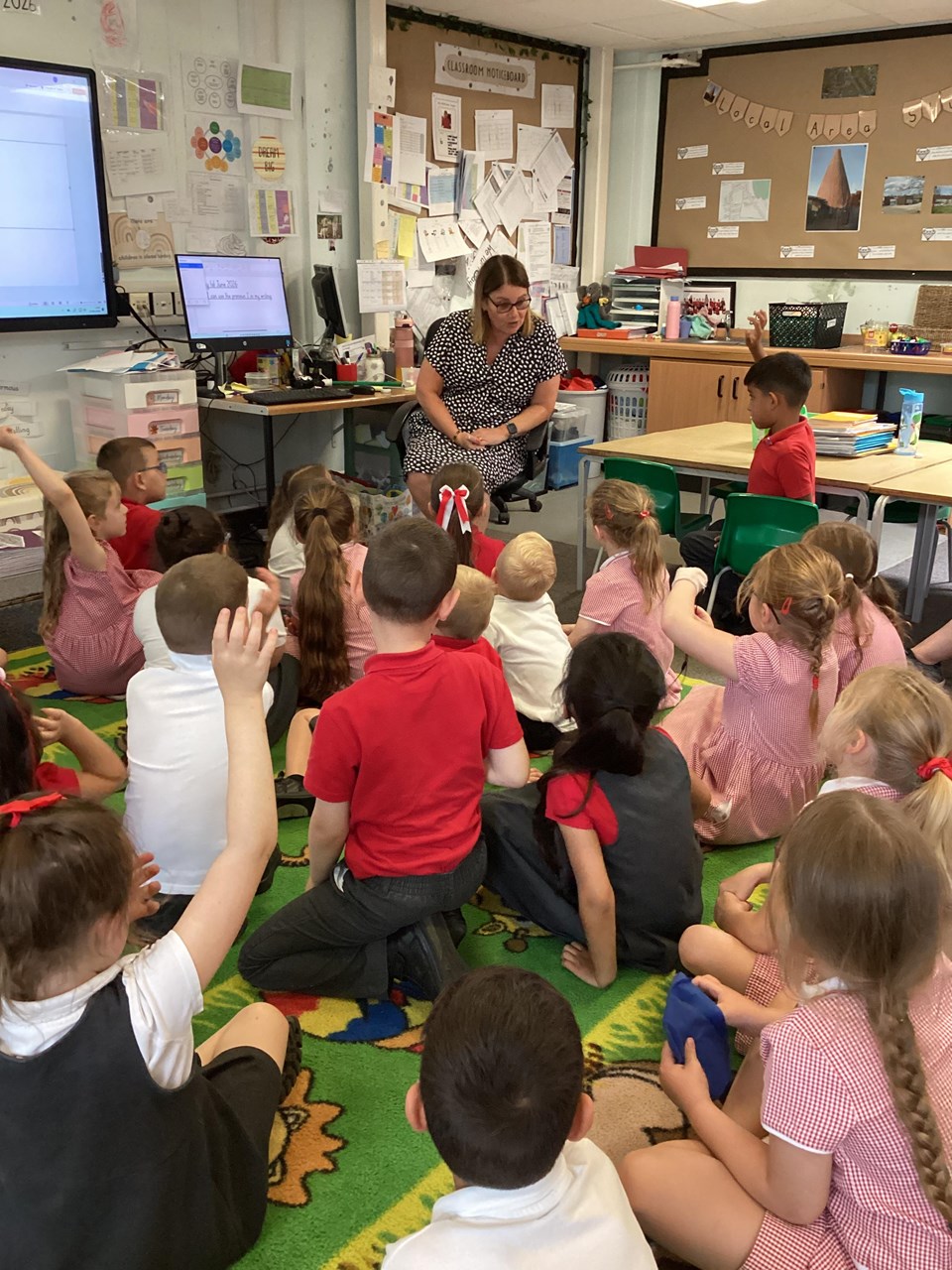


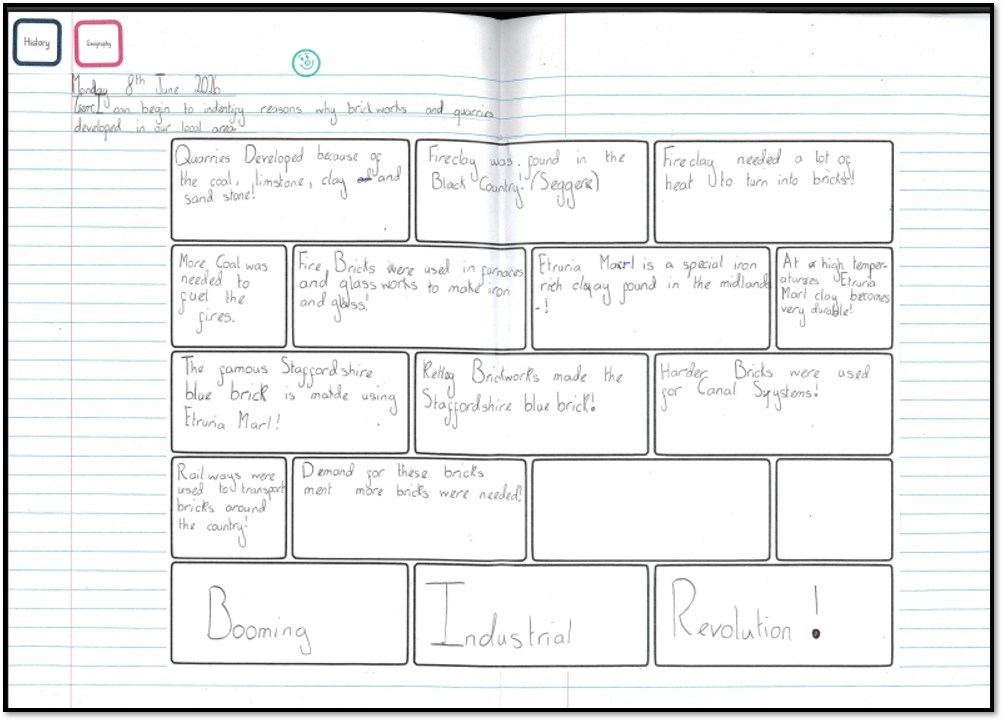
In Year 3, we have been learning about the brickworks and quarries in the local area and their significance to the history of our local area.
Here is some research that the children found about local bricks.

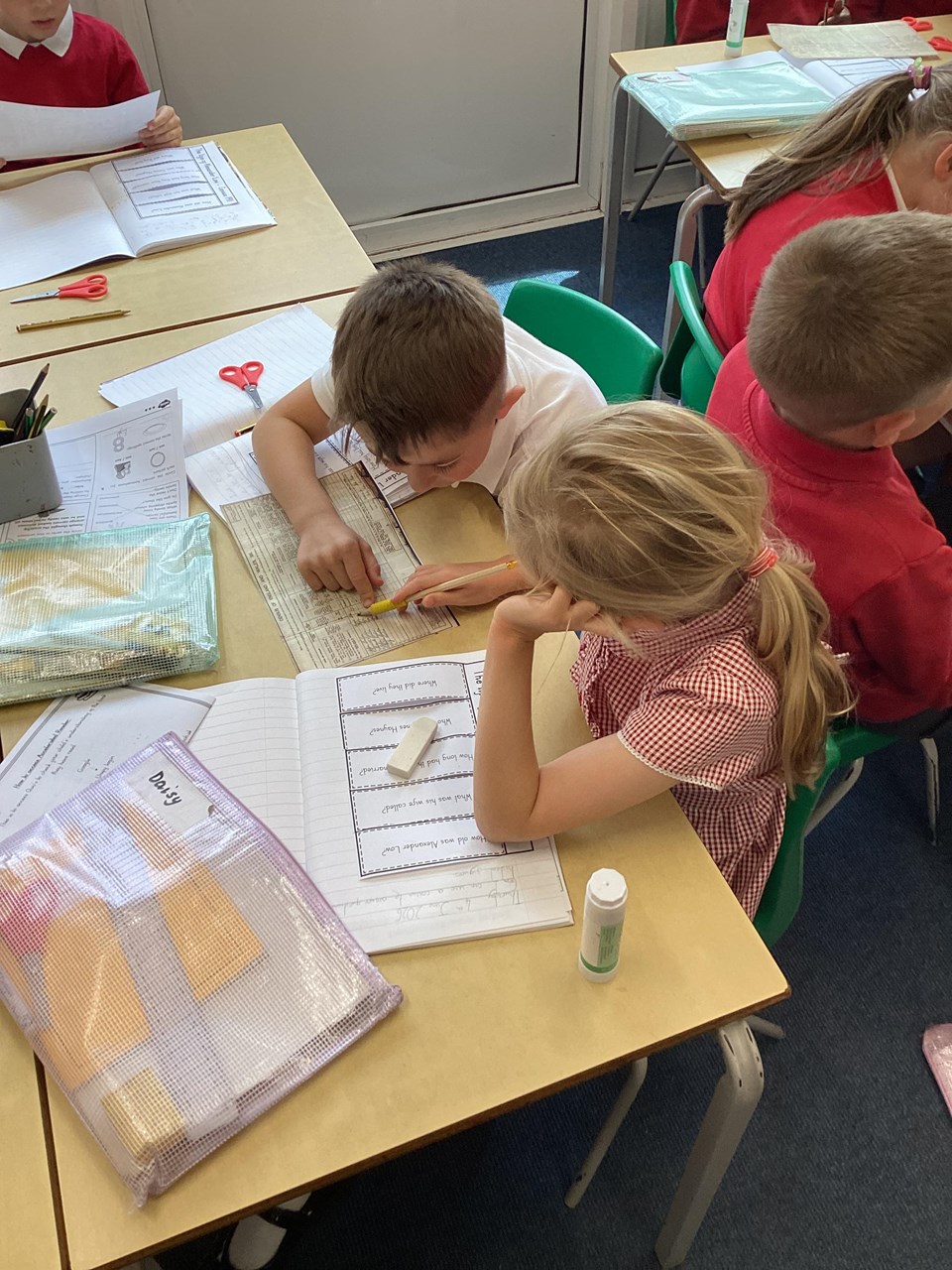
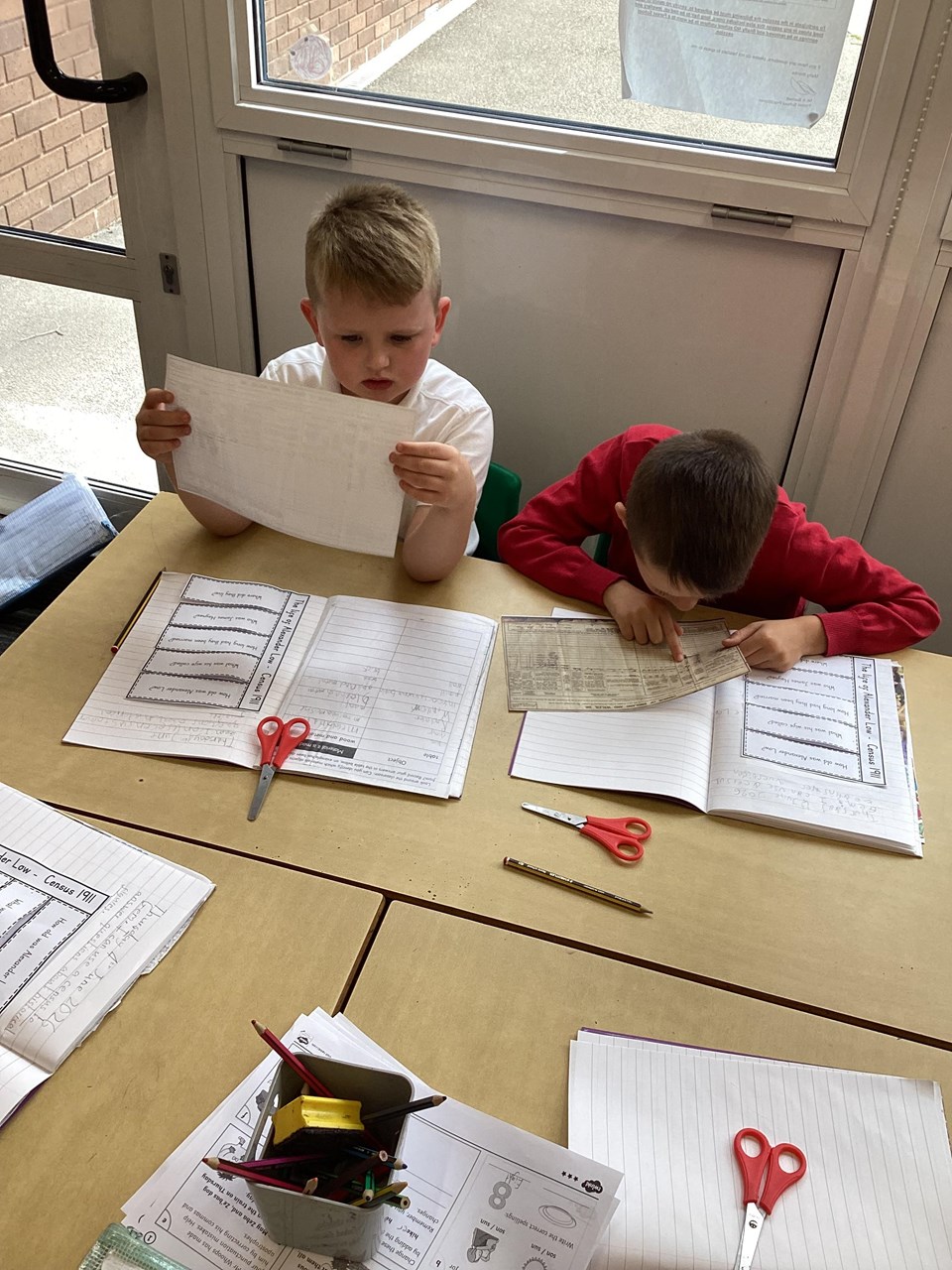
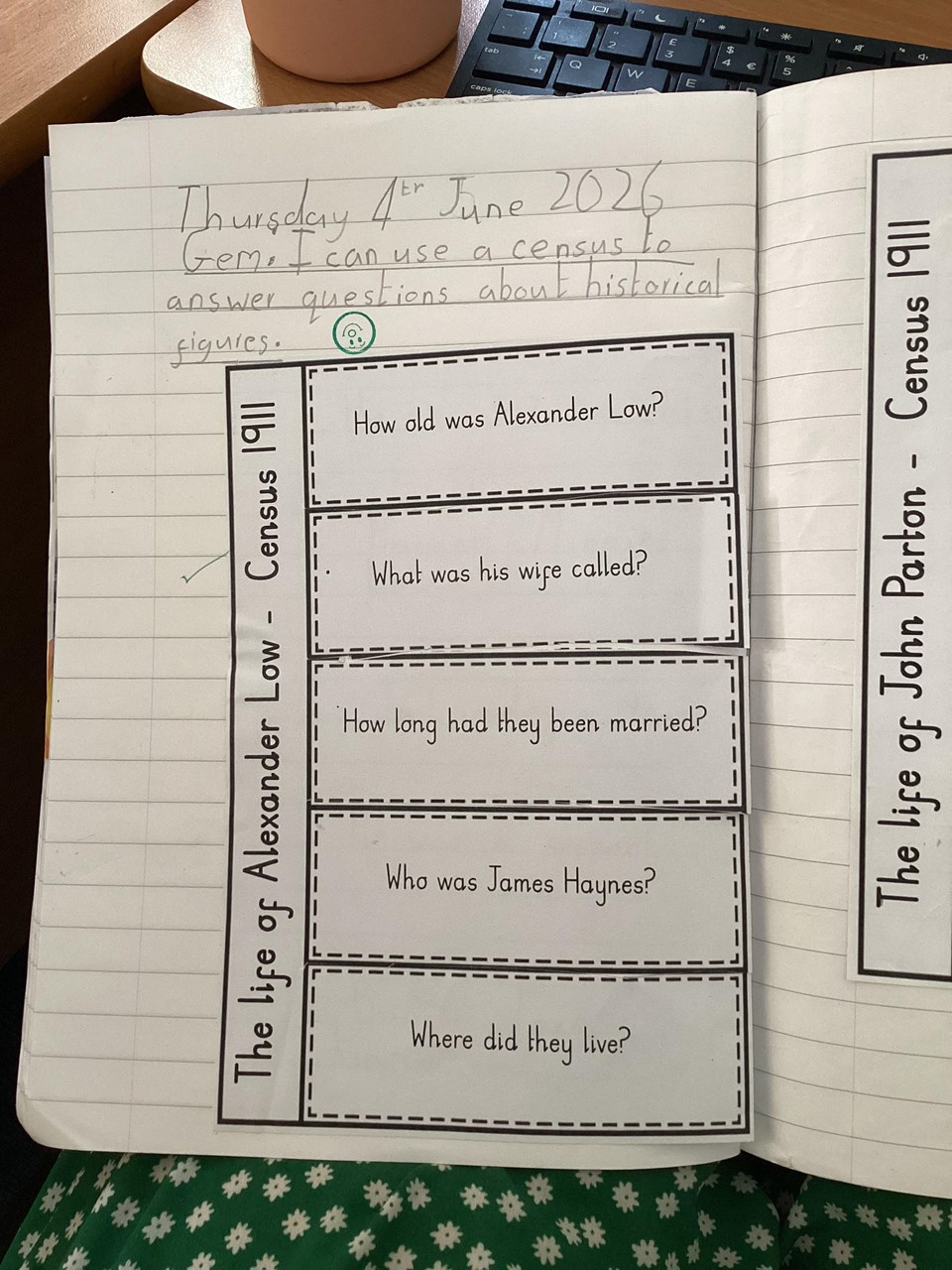
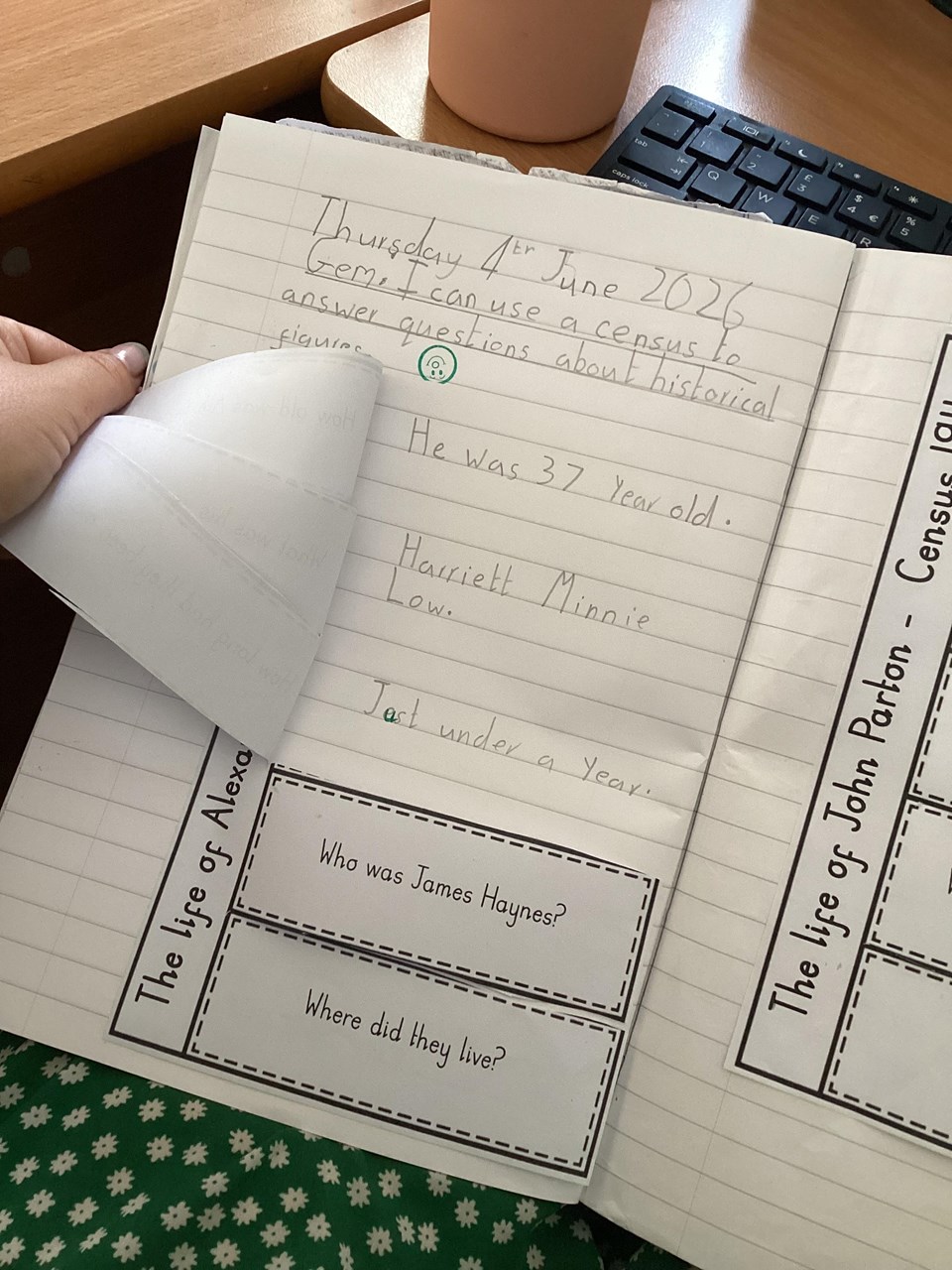
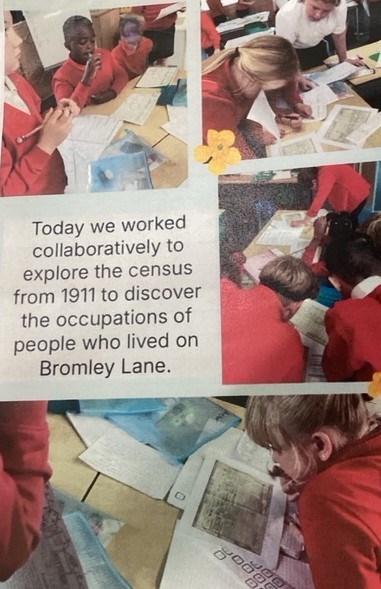
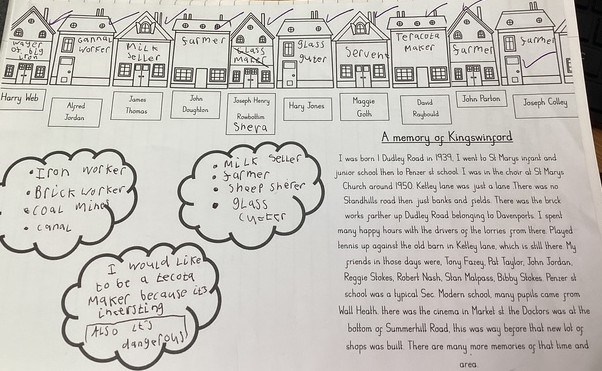
Year 4 had a wonderful time exploring the 1911 census together. Working collaboratively, the children delved into the records to discover the occupations of the people who lived on Bromley Lane. They were fascinated to see the different jobs and to think about what life might have been like over 100 years ago. The class showed fantastic teamwork, careful observation and great curiosity throughout the activity. It was a brilliant way to bring local history to life and deepen their understanding of the past.

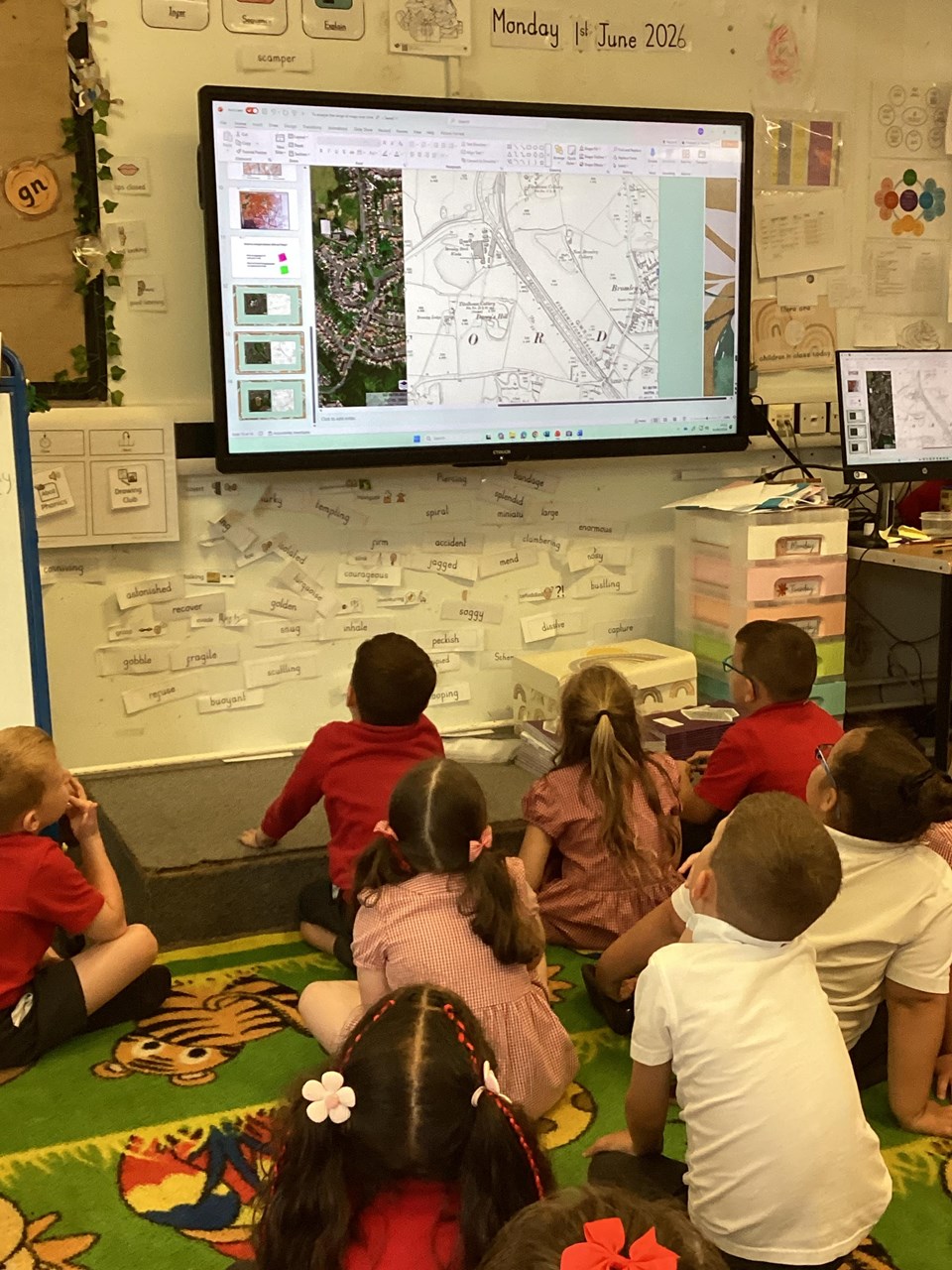
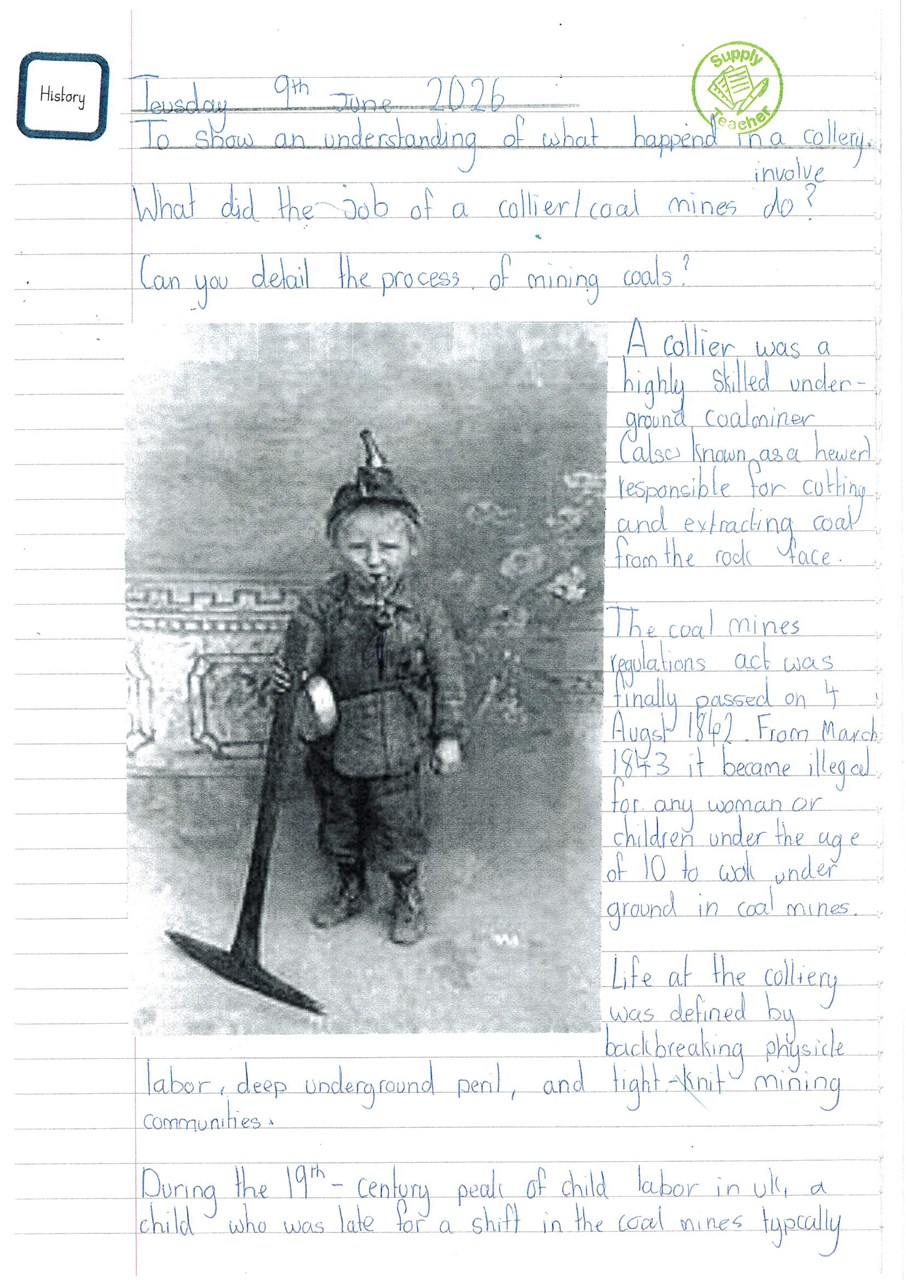
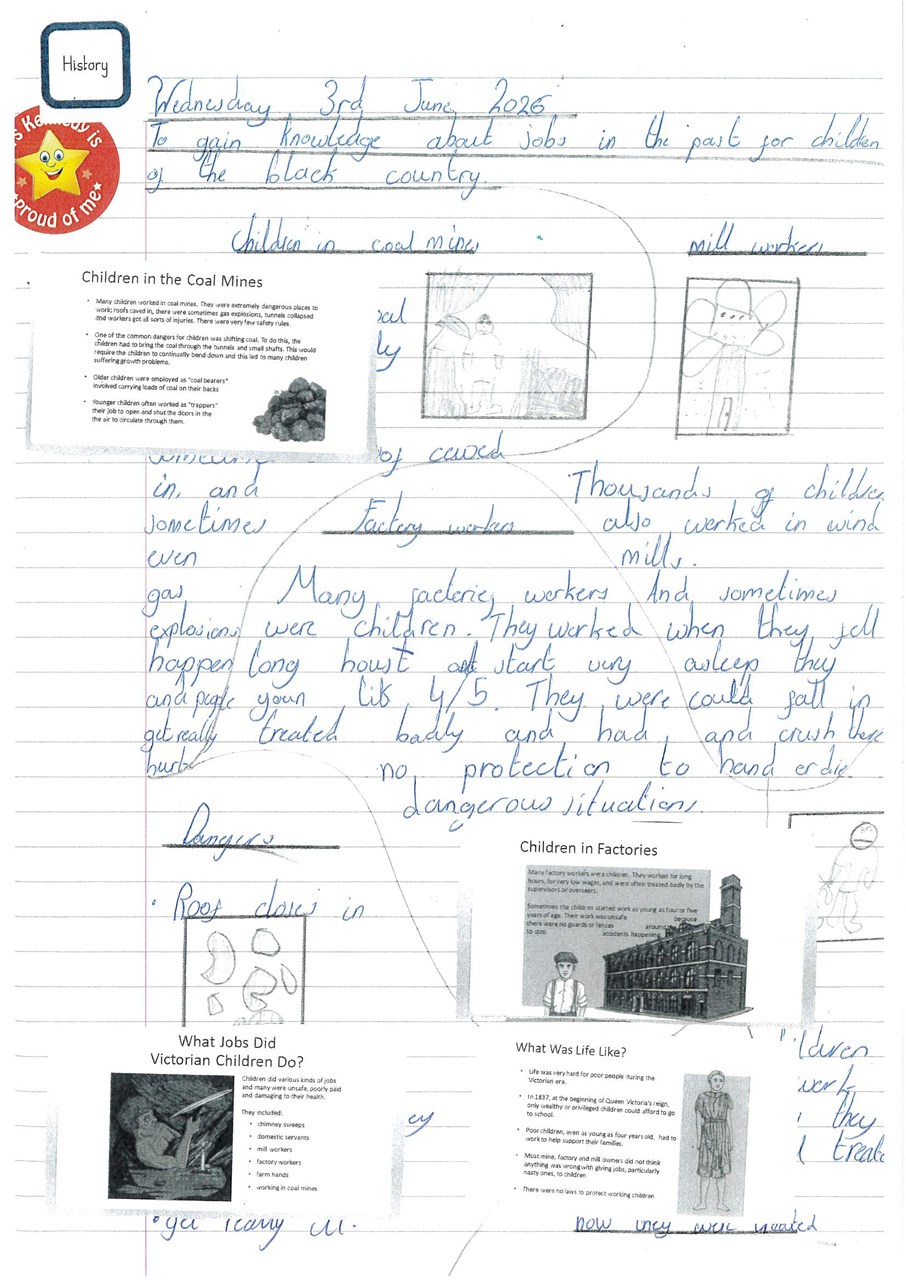
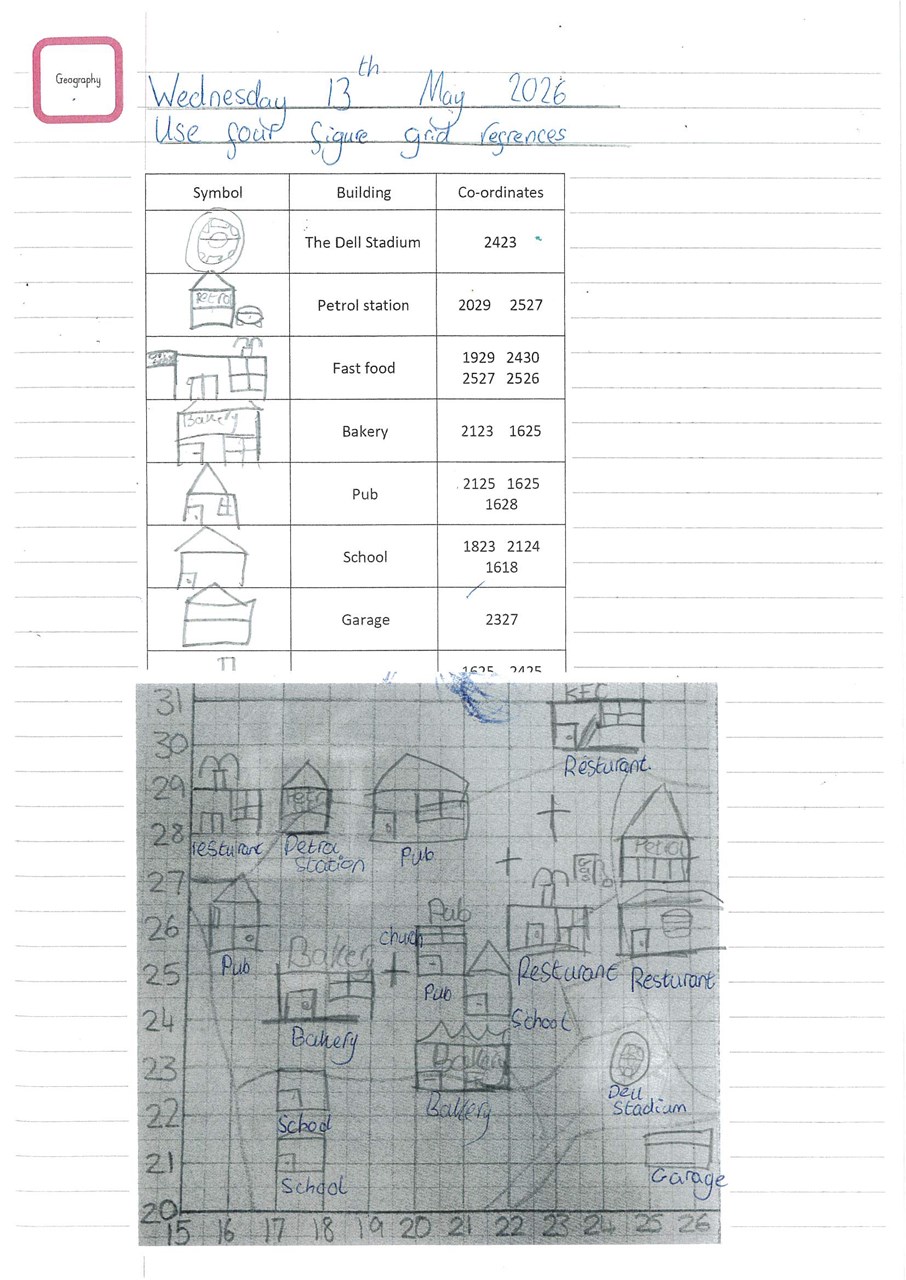
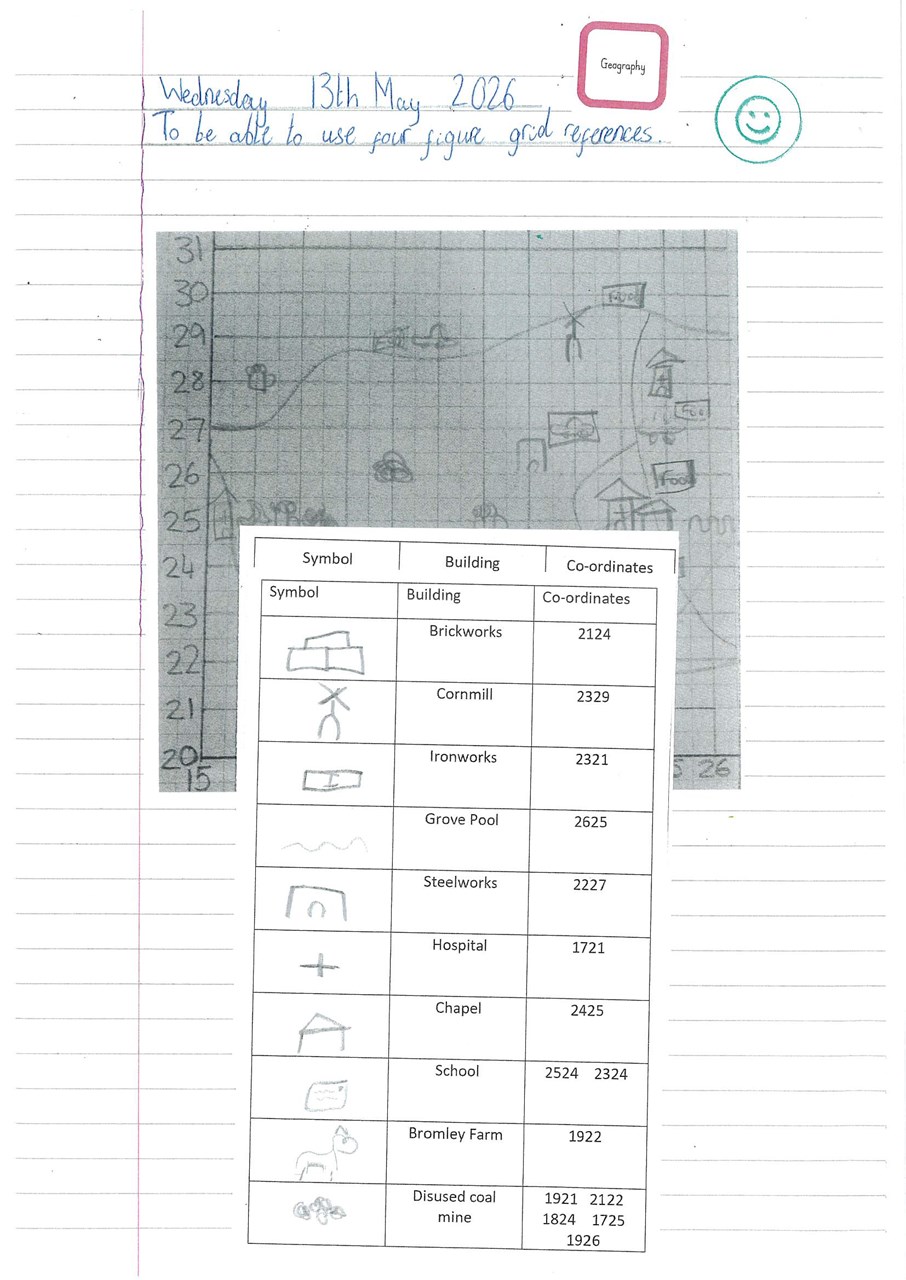
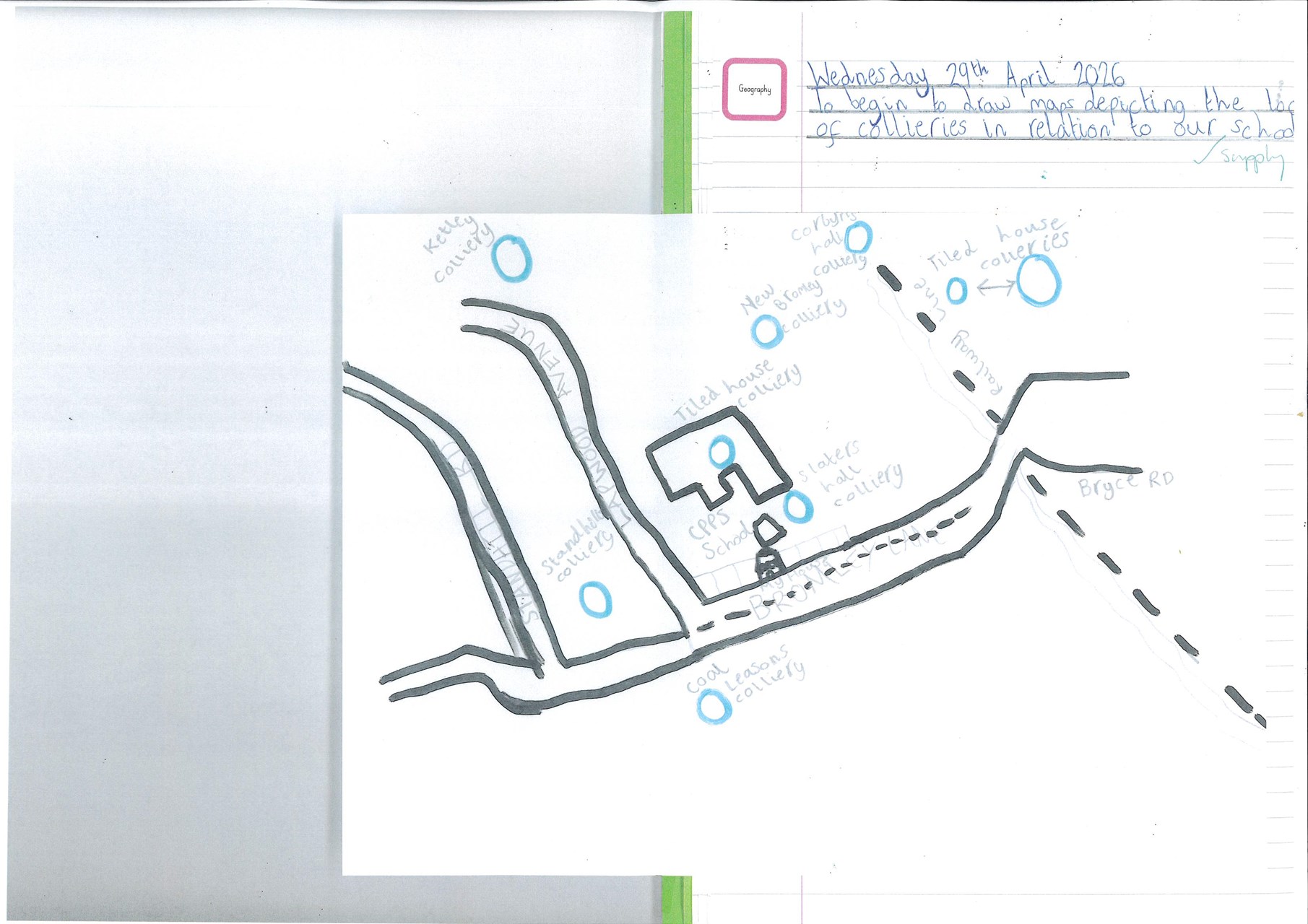
In Year 5, we have looked at what life was like for the children of the Black Country in the past. Many children worked in coal mines - so we researched what happened in a colliery and the jobs of a coal miner. This led us to explore old maps to identify where the collieries were in relation to our school. We developed our map skills by using symbols and coordinates to plot and read four figure grid reference.

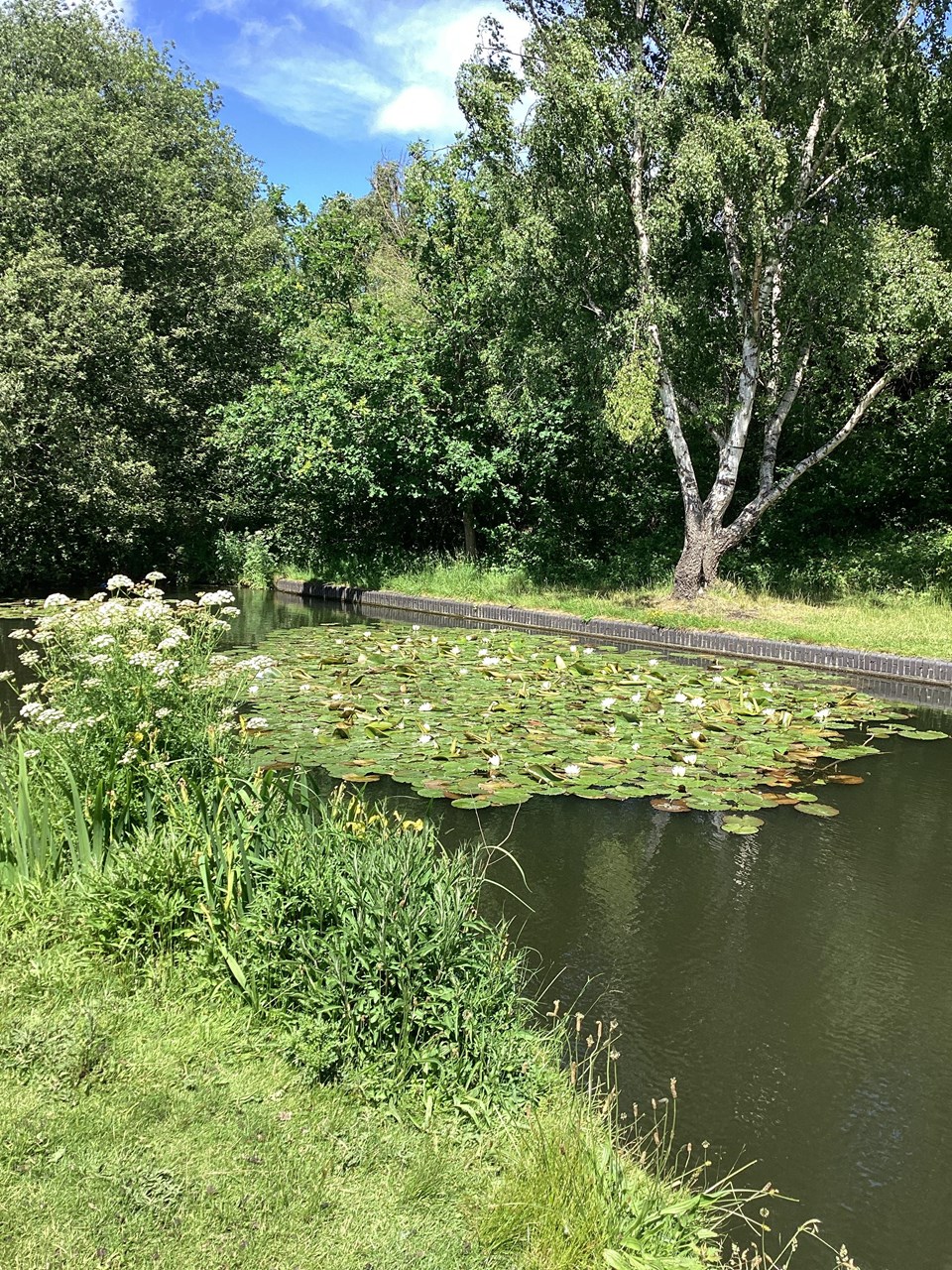
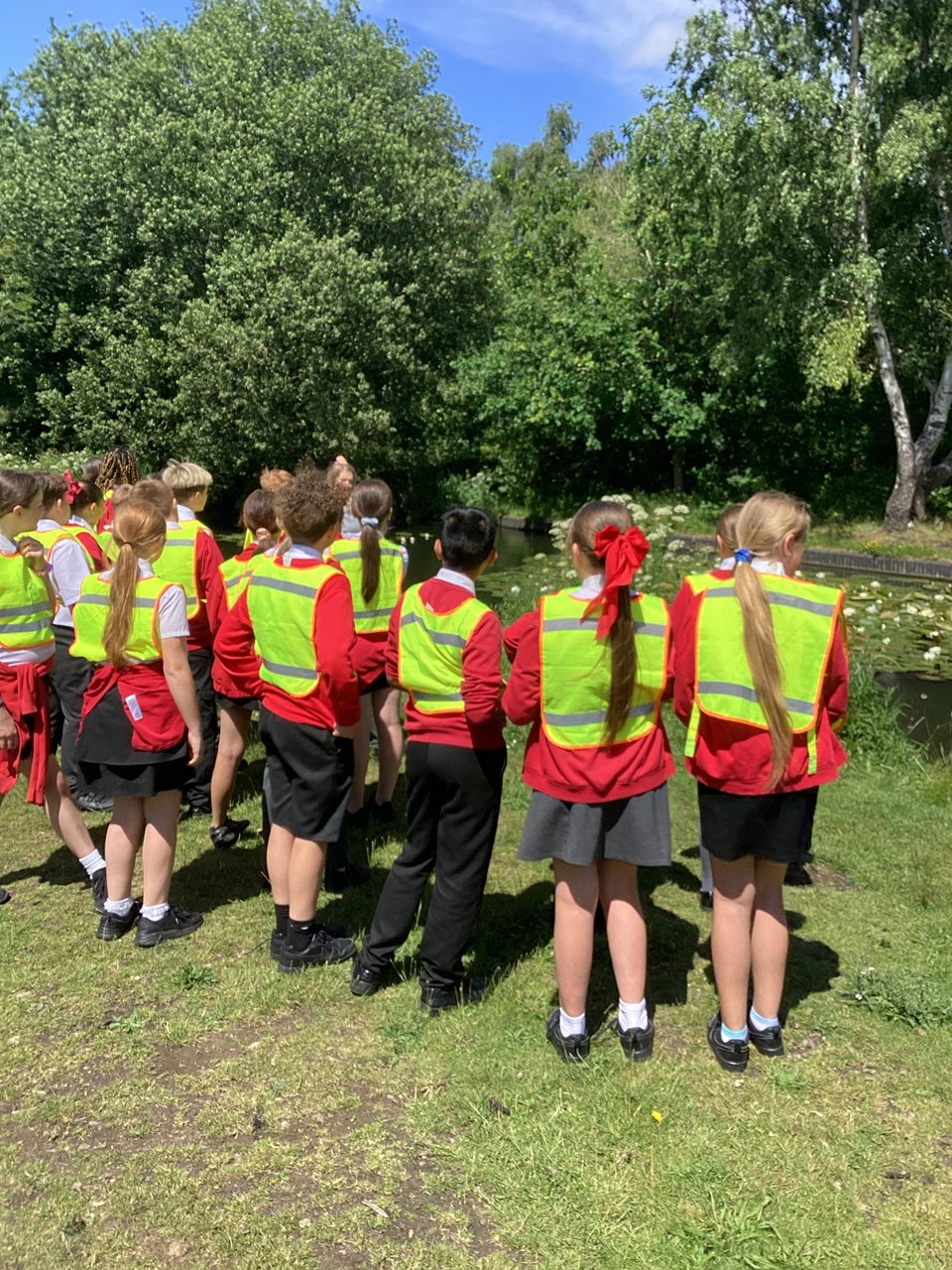
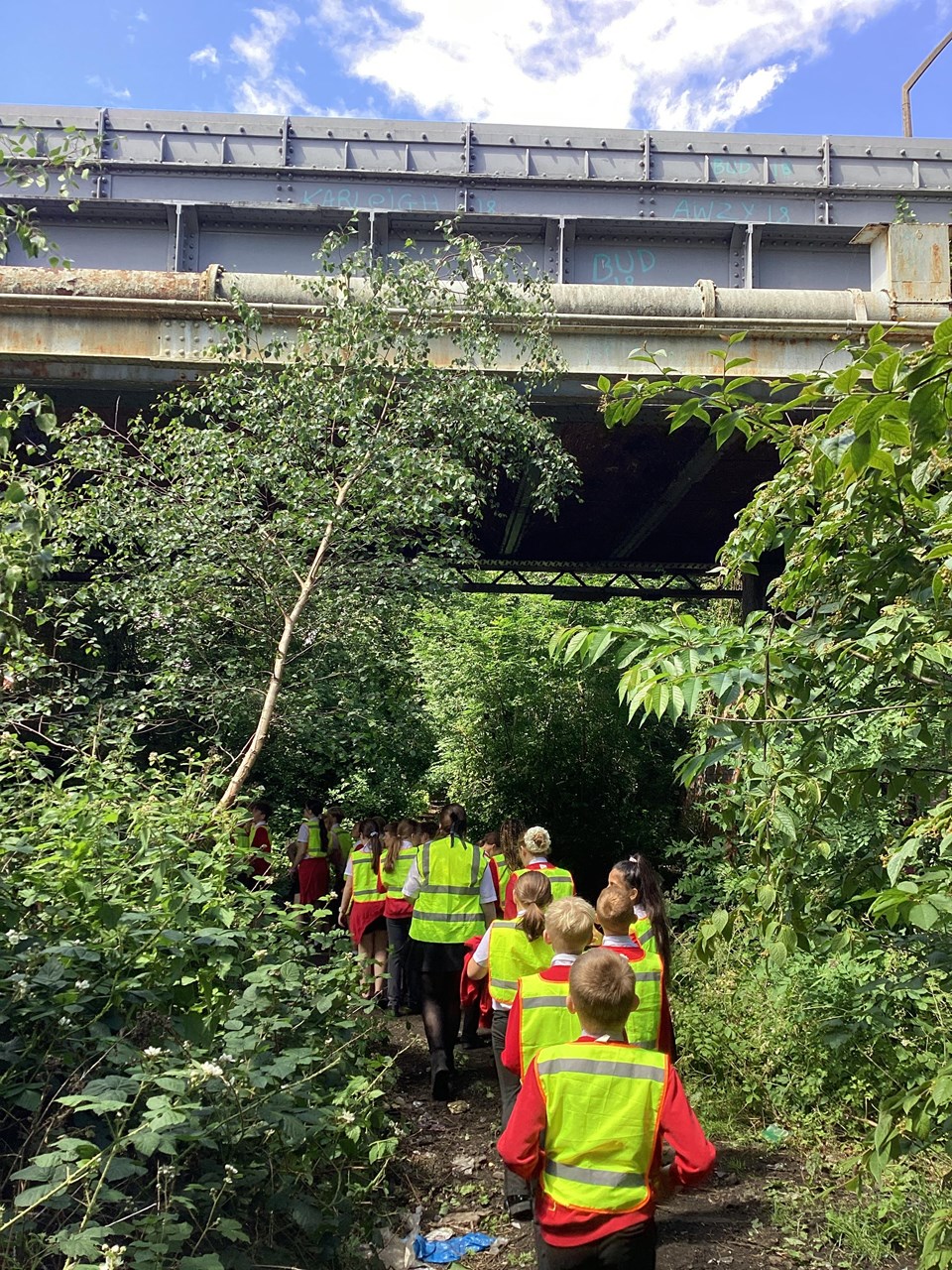
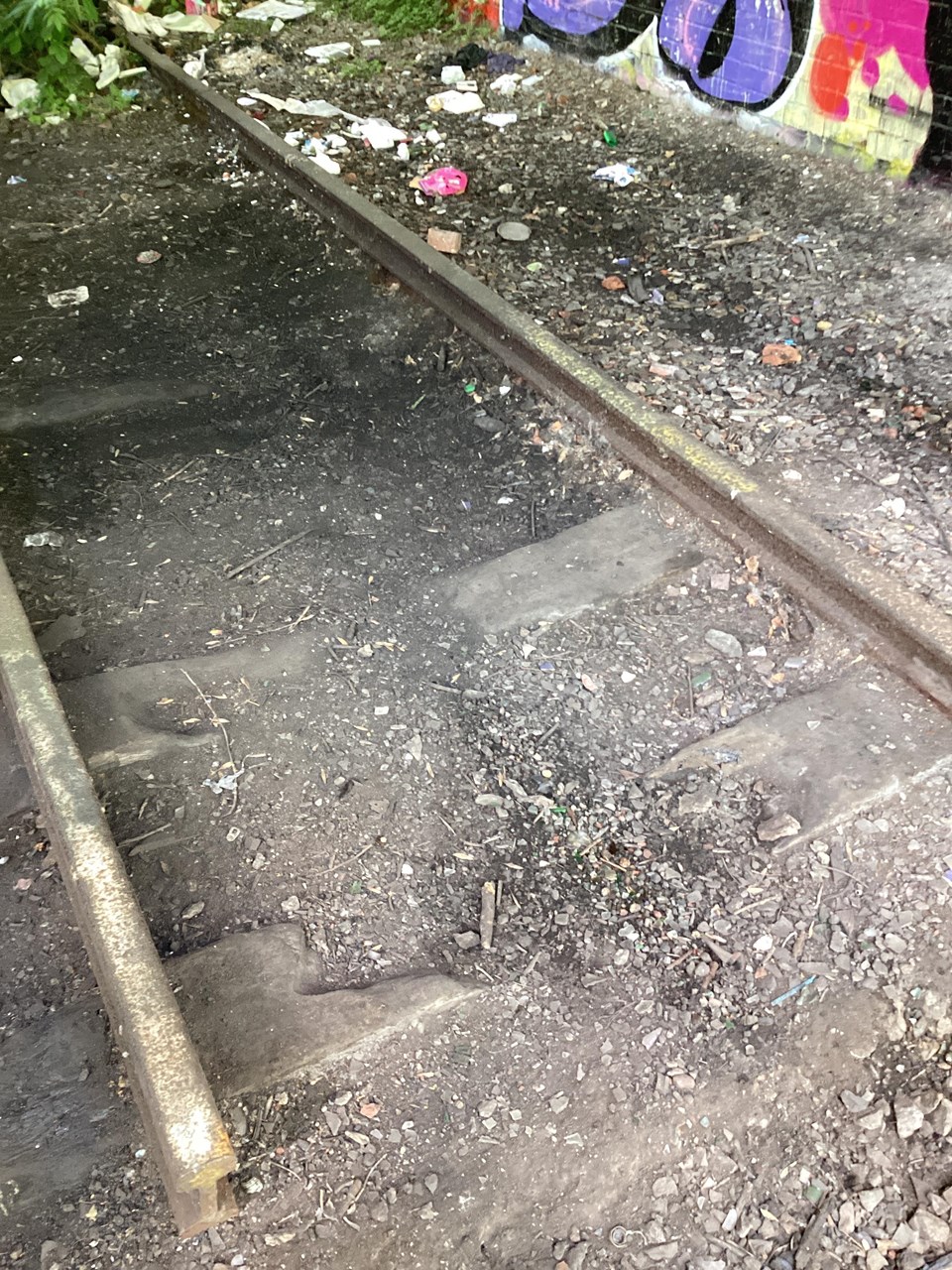
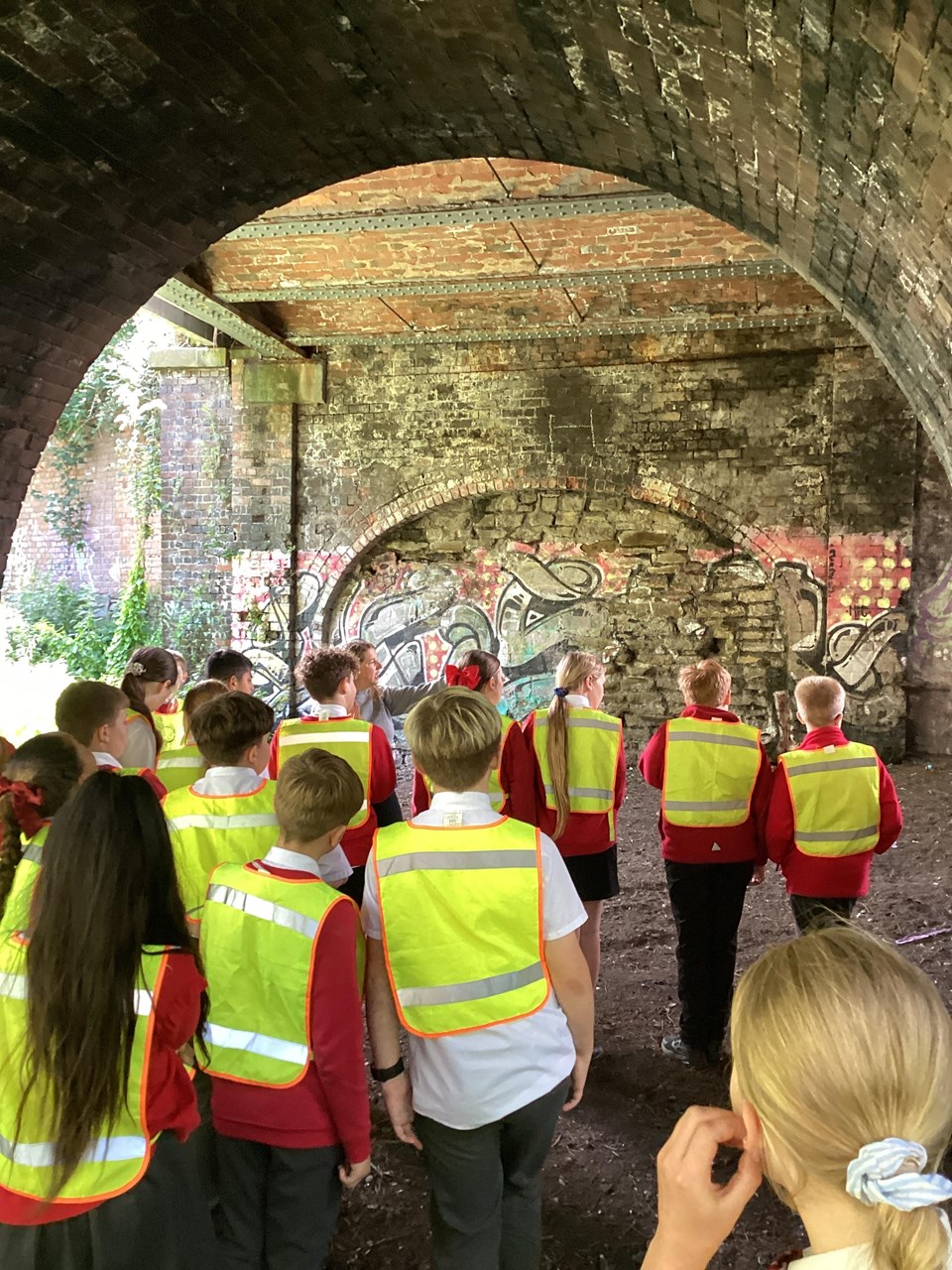
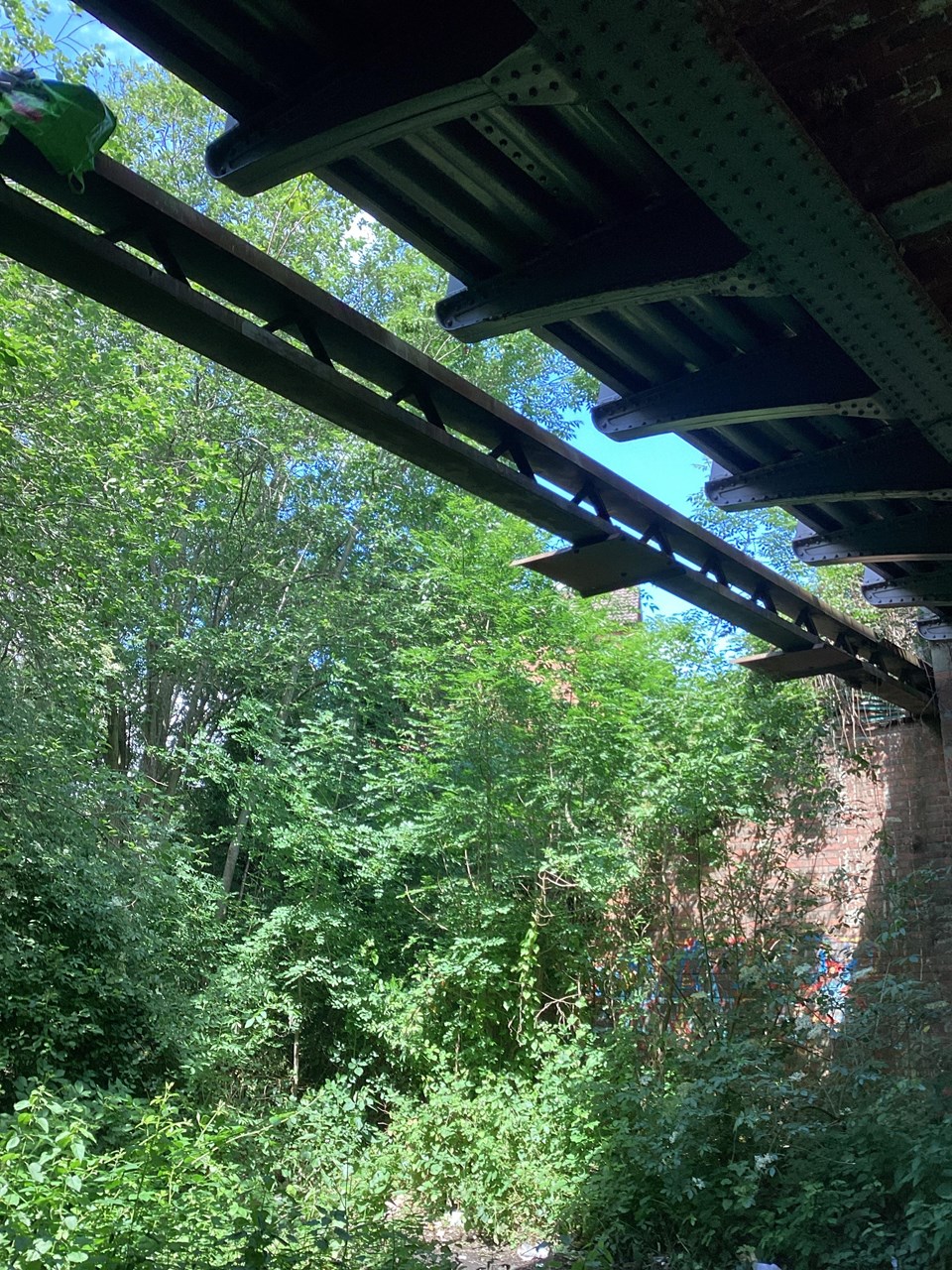
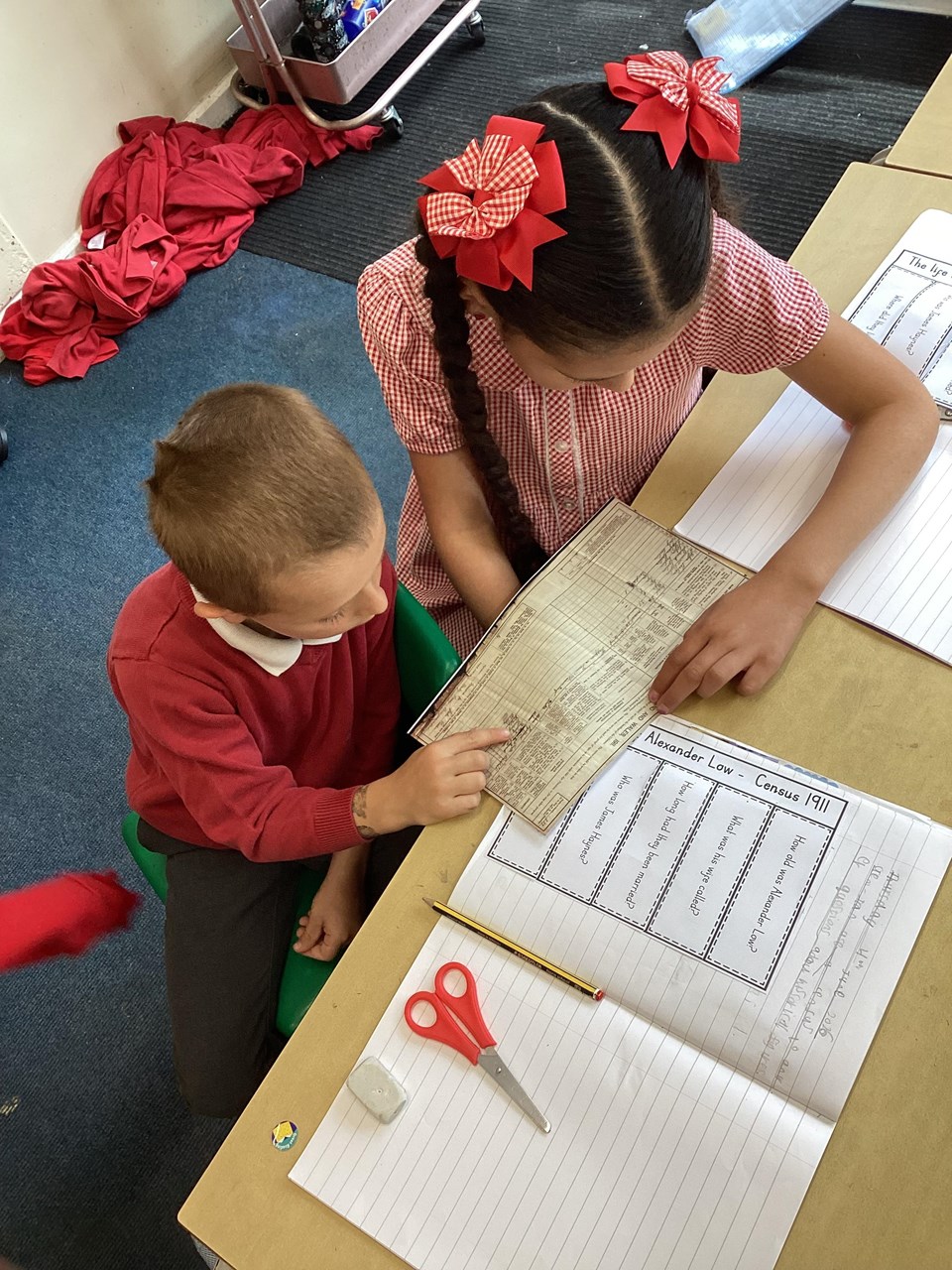
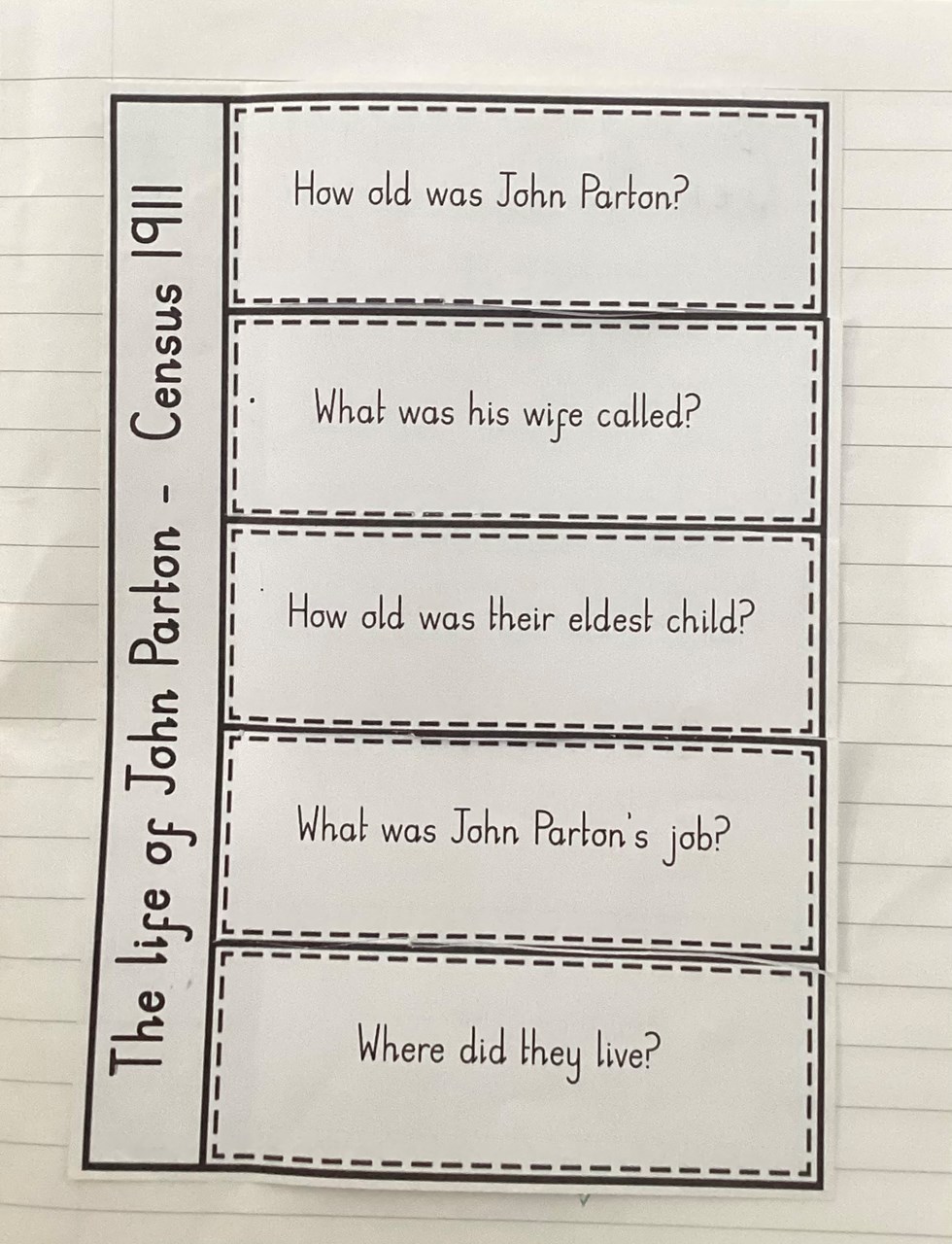
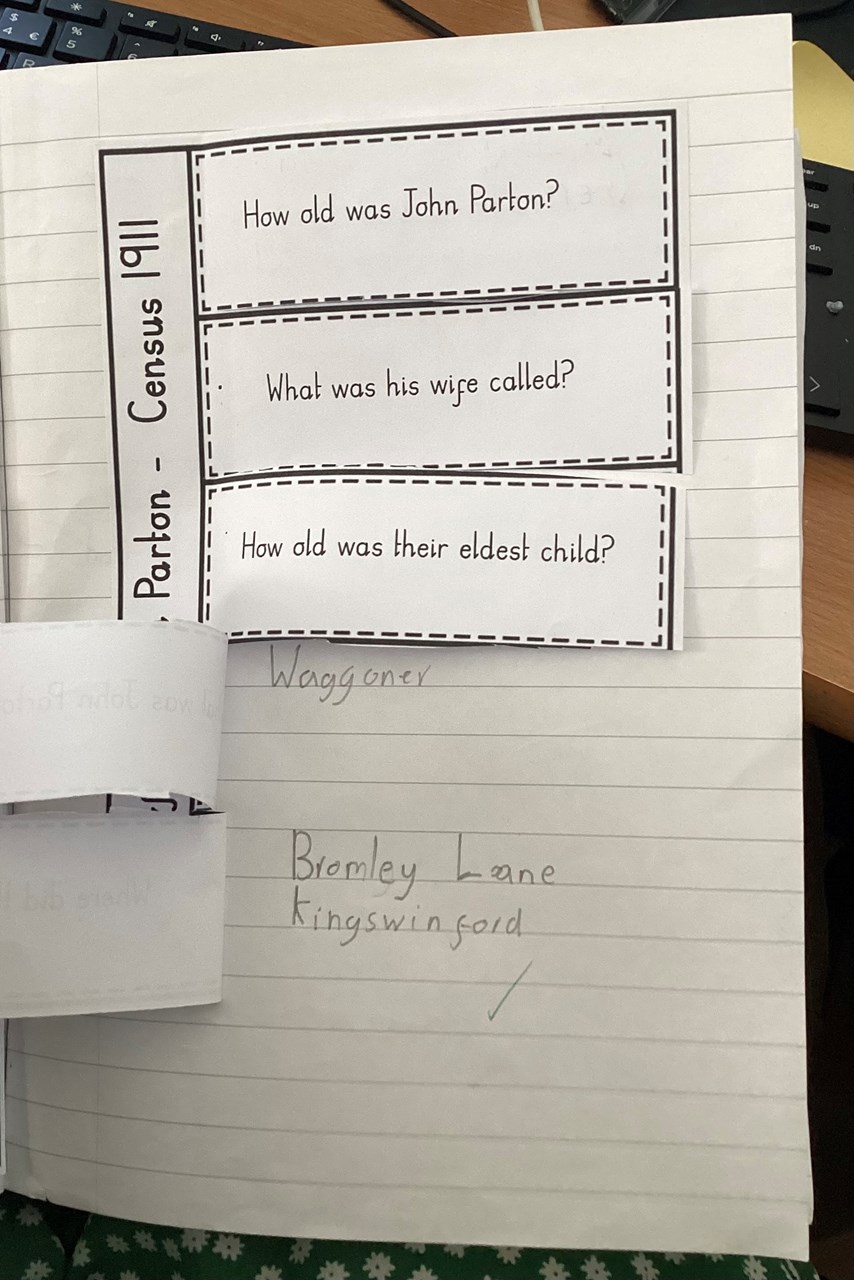
In Year 6, we have focused on a man who lived on Bromley Lane over 100 years ago. We used the 1911 census to find out about his neighbours, his household and his occupation. This led us to inquire about what our area was used for in the past and why it was important. During our local area walk, we discovered remnants of the past, including the old train tracks and where the canal used to pass through! We have looked at continuity and change within our area, particularly with land usage.
We are proud to be part of The Black Country, because we know how important our area was for transport and trades.